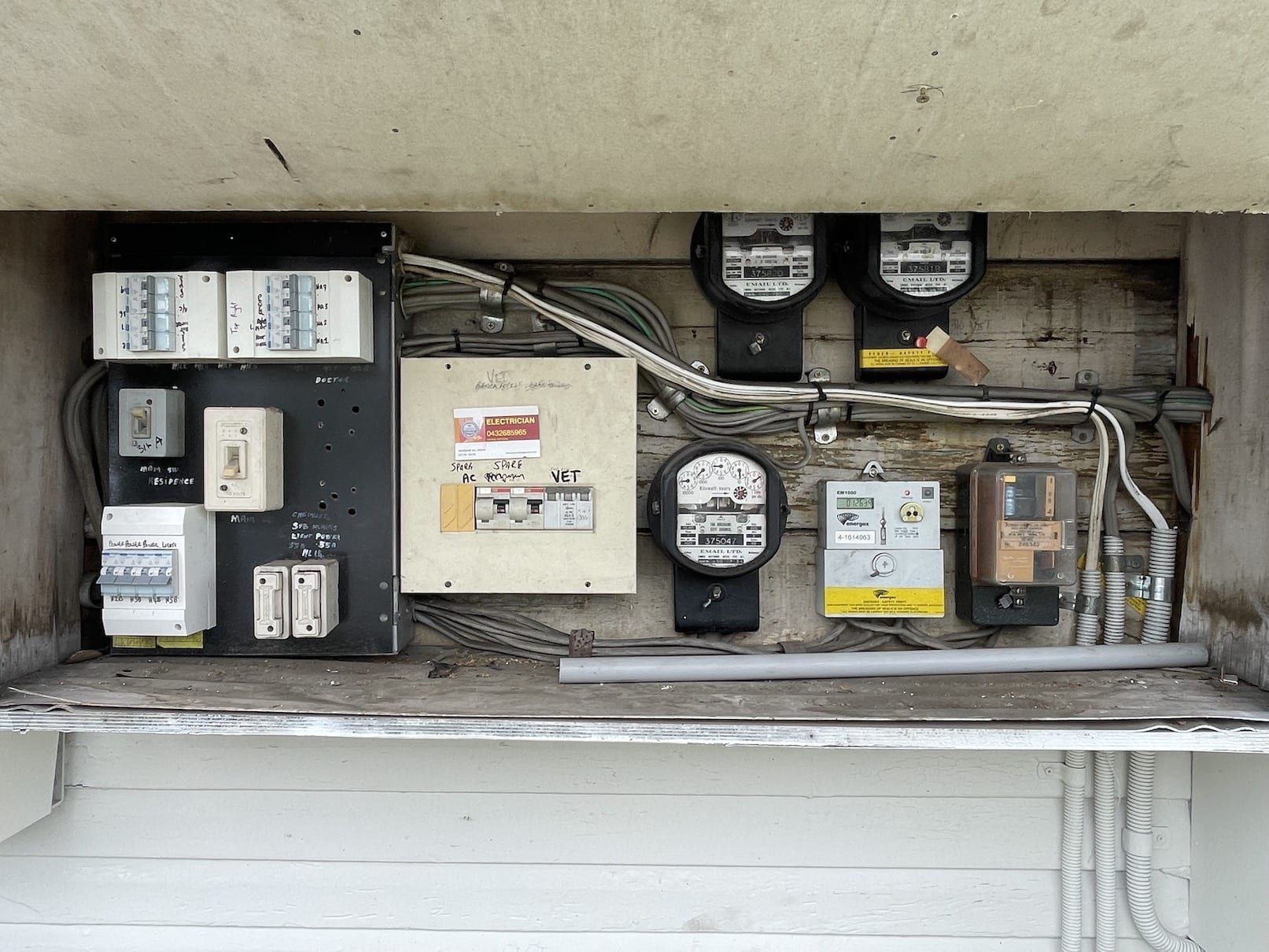
Home power systems tend to work a little harder when the seasons shift.
As we head into winter, heating, lighting, and other everyday gear start drawing more energy. It's often around this time that hidden problems begin to show. That’s where thermal imaging inspections for fault detection come in handy.
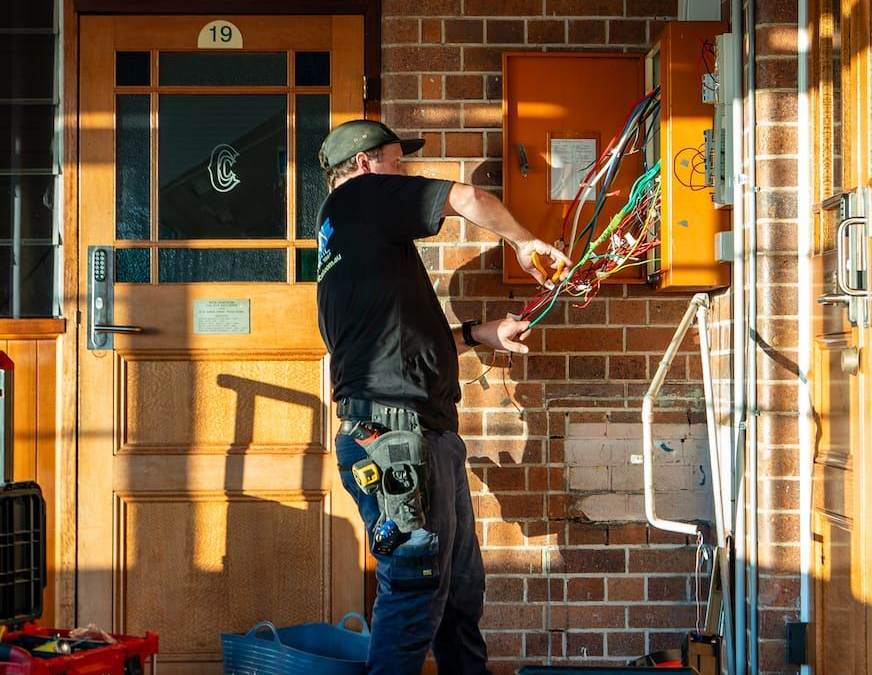
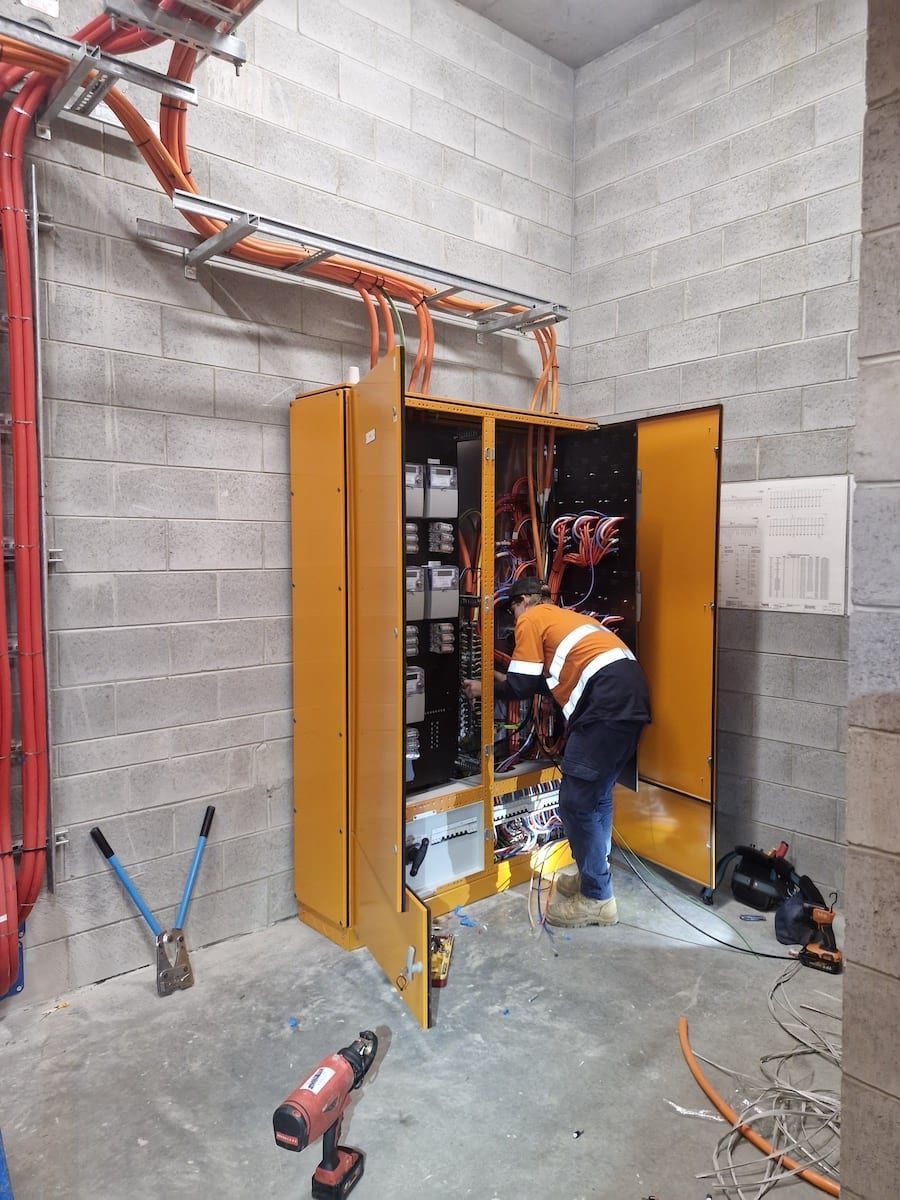
Thermal imaging helps us spot trouble in electrical setups by showing where heat is building up behind walls, switchboards, or fittings. It’s non-invasive, which means no panels need to be disturbed, and it can give a clear look at what’s going on without guesswork. We use this type of scan across Brisbane homes as part of our residential electrical maintenance and safety work.
May is a good time to check that everything’s running safely. Getting thermal scans done before winter can help prevent unexpected faults from showing up when the lights, fans, and appliances see heavier use.
What Thermal Imaging Actually Shows
When everything looks fine at the surface, small electrical faults can still be forming out of sight. Thermal imaging helps uncover them by highlighting areas where heat builds in ways it shouldn’t.
Electrical parts like cables, terminals, and breakers all give off heat when current flows through. That’s expected. But if one part shows higher heat than others or heats up too fast, it can be a red flag. Properly working systems should produce heat evenly, not in tight hot spots.
By pointing out those heat risks early, we get ahead of problems that can lead to flickering lights, unclear faults, or even burnt components. Here’s what thermal scans normally detect:
• Loose wire connections behind power points or switchboards
• Overloaded cables that are running hotter than they should
• Faulty breakers or breakers close to failure
• Worn insulation or internal corrosion in older outdoor circuits
The best part is that this works indoors and outside. Whether it’s a switchboard in the garage or cables running to the garden lights, we can scan through it all to see where things aren’t quite right.
Smart Times to Get a Thermal Scan Done
Thermal imaging can be helpful all year, but there are some times when it makes a bigger difference. Timing can be the key to catching a fault early and keeping your setup from cutting out when things get busier.
Here are a few typical scenarios when a scan is worth it:
• In late autumn, before heaters, ceiling fans, and extended lighting get heavier use
• After changes such as installing new garden lighting or wiring in a sensor light at the gate
• If you’ve added a ceiling fan to a space that wasn’t wired for one before
• Anytime you're seeing flickering lights, tripped safety switches, or slow-starting appliances
It’s common to need a scan after renovations, even small ones. Adding extra sockets outdoors or adjusting how outdoor features like path lighting or pump systems work can affect how well circuits handle power. A scan gives a green light, or flags the issue, so any changes aren’t left to chance.
Gear That Gets the Most Benefit From Thermal Checks
Not all parts of the home draw the same electrical load. Some are more active during cooler months or tied to other systems that run on timers or solar conditions. These areas often benefit more from regular checks.
Some key places we focus scans on include:
• Outdoor lighting circuits, especially for garden paths, driveway lights, and sensor lighting
• Security setups with constant power demand, like cameras or dusk-to-dawn lights
• Ceiling fan circuits added after a renovation or paired with outdoor switches
• Timed circuits that run appliances during sunlight hours to sync with solar production
• Pool pumps, sports-field circuits, or feature lighting shared across several areas
These parts of the home often carry more current and work on a schedule, so any small fault can show up fast. Since some are wired in with timers or run outside, moisture and exposure also add wear over time. Thermal imaging helps confirm everything is still holding up.
Linking Thermal Checks With Other Routine Maintenance
A scan by itself does a lot, but pairing it with other regular checks builds a safer, longer-lasting setup. We recommend linking thermal imaging with small seasonal maintenance to keep things running smoothly.
During May, we often see homes line up the following:
• RCD testing to check that safety switches are switching off properly under risk
• A visual review of garden lighting or outdoor fittings that might have shifted during storms
• Cleaning access vents and checking fans so they draw less power once switched on every week
By lining up these kinds of checks, we cut down the stress on your switchboard. Changes across systems, like timers shifting for shorter days or heaters running more often, make these checks even more helpful. Thermal imaging is one of the safety tools we use alongside RCD testing and other maintenance tasks during these visits.
Thermal imaging adds another layer. It confirms which parts are coping well and which ones aren’t as reliable anymore. That helps spread out wear so the system isn’t put under strain all at once. Since we’re often already nearby to check other gear, it makes sense to roll thermal scanning into the same visit.
A Safer, Smoother Setup Starts With the Right Checks
Once winter hits, it’s easy to forget what your system went through over the warmer months. Electrical gear still holds past wear, even if things look fine from the outside. That’s why thermal imaging works so well (it catches faults hiding behind panels or wiring that’s under more demand than usual).
Scans done before the season shift, especially in May, meet that sweet spot. They’re quick, low-fuss, and highlight the spots that need care before the cold sets in. Pair that with a bit of regular maintenance and it means everything runs smoother once you rely on it more, day and night.
Winter is the perfect time to tighten up on home safety and electrical reliability. If your thermal scan revealed problem areas or signs of strain, it could be the right moment to consider a
switchboard upgrade in Brisbane. Upgrading helps support heavier seasonal loads and provides peace of mind when appliances are working overtime. Let Heat On Electrical help you stay ahead of wear before it leads to something more serious.
You might also like