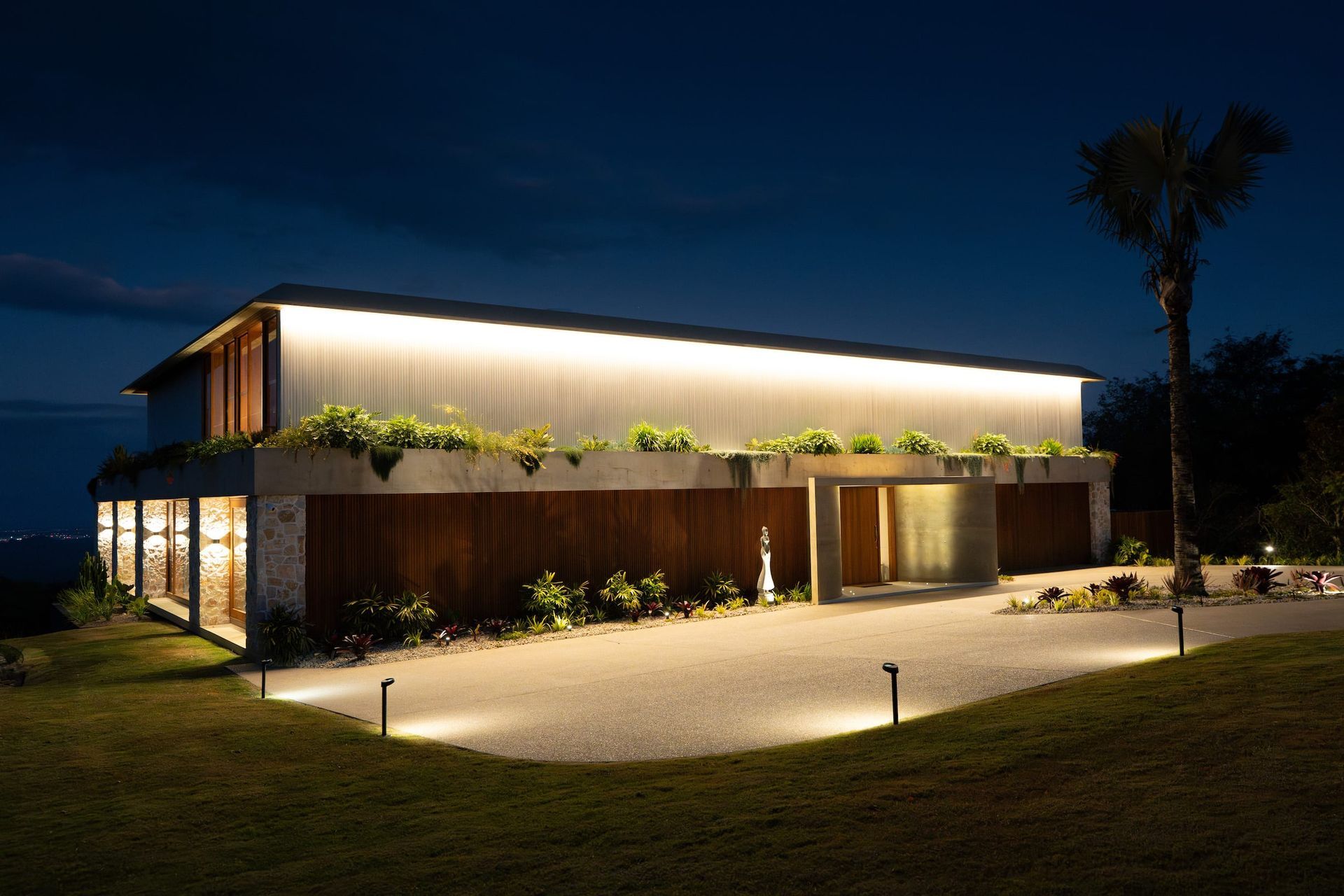
Lighting plays a big part in how safe a property feels, especially around spots people use the most.
Places like back doors, side gates, and loading areas are common targets for break-ins, so they can’t be ignored. A good setup doesn’t rely on one light flicking on when it’s too late. It works as a system, giving you clear views where you need them and stopping unwanted surprises at the door.
When we talk about security lighting installation for commercial properties, we’re thinking beyond a quick fix. We look at daily use, natural daylight, sensor behaviour, and how everything ties into the bigger power plan. With the seasons shifting, early autumn is a sensible time to get ahead of darker mornings and shorter evenings. It's also a good chance to check that switchboards and timers are holding up before winter hits.
Start with the right lighting layout
Getting the layout right is one of the most important steps. We're not just looking at how much light something puts out, but where that light is going and what it covers. Entry points need to be lit well enough to make people easy to see, not just cast long shadows across the driveway.
Some areas to check when planning layout include:
• Side gates or staff entry doors that sit away from main entrances
• Roller doors or loading docks that run on different open and close schedules
• Rear walkways or low-use paths that are unlit but still used after dark
Sensor lighting is great for these areas, but only when placed correctly. Lights should trigger when someone approaches, not a few steps after they’ve already moved through the area. Over-lighting can backfire too. It creates harsh spots that can hide people in surrounding shadows and can waste electricity in low-traffic zones.
Use timers to match lighting with solar hours
Sometimes it’s not about how long lights stay on, but when they do. Timers can help align light use with solar hours. During autumn, solar setups often still pull in enough power during the middle of the day. That’s the perfect time to run outdoor timers before the sun dips earlier each afternoon.
By setting outdoor light timers to draw from solar power while it’s still available, you spread the demand and avoid bigger draws at night. Even commercial properties that don’t rely on solar panels can benefit since timers:
• Cut back on lights running long after business hours if no one’s around
• Ease the burden on older switchboards during peak draw periods
• Work well combined with motion sensors to stay responsive without running full-time
Putting motion and timers together gives you more control. Lights stay on only when needed, saving wear on equipment and smoothing out energy use across the day.
Keep an eye on performance with routine maintenance
Once the lights are set up and working properly, we still need to check in now and then to confirm they’re staying that way. Regular maintenance keeps the system reliable, especially when it has to respond without warning.
Lighting setups that are connected to switches or power boards should go through routine safety checks. These help spot issues before they reach the point of failure. We suggest including:
• RCD testing to make sure safety switches are still tripping as they should
• Thermal imaging to detect abnormal heating or overworked circuits
• Cleaning AC vents or units near control rooms that manage light timing
These steps are simple to run and make a real difference over time. Power failures in dark spots leave commercial properties exposed, even if it’s just for a short window. Checks done in autumn mean fewer surprises by the time we reach winter.
Think about power-sharing and circuit load
Lighting isn’t the only thing drawing power, and it’s all too common for systems to share more than planned. Security gear can’t compete with large draw items on the same line, like ceiling fans or garden lighting. Spread too thin, and the system won’t respond when it matters most.
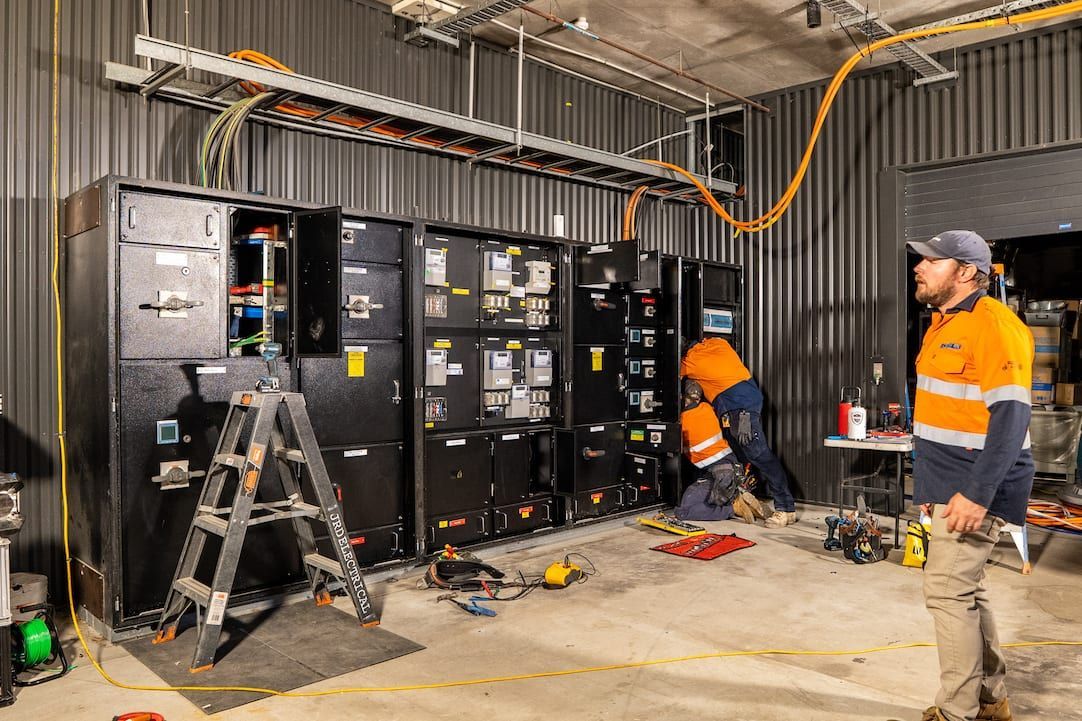
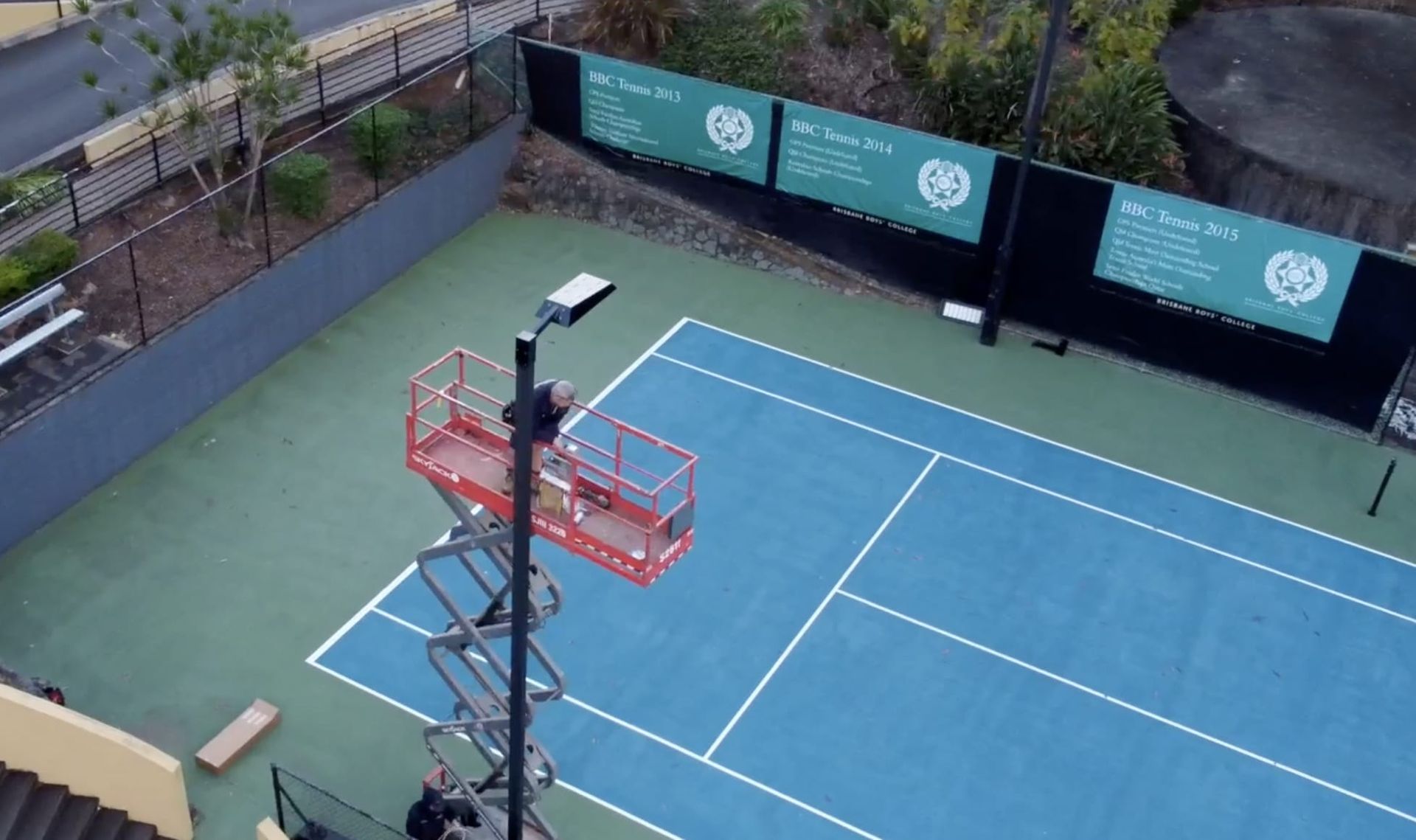
We’ve seen trouble when property owners connect sports field lighting, back-of-house lighting, and sensor lights to the same switchboard. Motion triggers or night timers cause spikes, shutting off entire lines when the load’s too high. It’s better to give high-use circuits their own space.
Things to watch out for:
• Overlapping wiring between security lighting and other outdoor lighting features
• Ceiling fans or old garden lights still running off outdated switchboards
• Big equipment like irrigation systems or outdoor signage on shared circuits
Splitting gear across more stable wiring gives security lighting room to work without overstressing the circuits.
Match the lighting setup to the busy times of each space
Not every outdoor space needs constant light. Some spots are only used early in the morning, while others don’t get touched after business hours. Matching light activity to how and when areas are used helps make each spot safer without going overboard.
As autumn settles in and daylight fades a bit earlier, it’s worth adjusting start and stop times. For commercial setups, that might look like this:
• Starting entry lights half an hour earlier to cover darker mornings
• Letting loading dock or back entrance lighting run longer in the evening
• Adding soft motion-triggered path lighting in garden zones or walkways
This fine-tuning helps staff and visitors feel safer, and it protects settings that otherwise go unnoticed until something goes wrong.
Keep Entry Points Covered Without Overdoing It
Security lighting works best when it’s planned with both safety and energy use in mind. When we balance what areas are lit, when lights turn on, and what gear shares a circuit, the whole property runs more smoothly. Moving with the seasons, especially toward shorter days, makes it easier to catch small issues before they become bigger ones.
The best lighting setups are the ones you don’t have to think about. They come on at the right time, light the right spots, and don’t demand your attention. With smart use of solar hours, safe wiring plans, and regular check-ins, any commercial property can stay well lit and well protected.
If your outdoor lighting setup isn’t hitting the mark, now’s the time to refine it. Safe, consistent lighting starts with a layout that aligns with both seasonal changes and everyday usage. Heat On Electrical takes the guesswork out of essential upgrades with proven solutions that improve visibility and reliability. Get expert support for your commercial electrical services and keep every entry point well protected.
You might also like