
Busy sites don’t slow down just because the seasons shift.
When there's a lot going on, having solid electrical setups in place makes a big difference. From home projects to sports clubs and commercial worksites, every type of location needs the right kind of planning to stay safe and reliable.
As autumn begins and daylight hours drop, lights stay on a little longer and machines might run at odd hours. That makes smart electrical project solutions really helpful. With better planning, we can avoid overloads, save energy, and keep things working properly across all parts of a property.
Planning Smarter Setups for Active Spaces
When tools, lights, and machines are running back-to-back, circuits have to be able to handle the demand. That’s why proper layout and smart design matter.
Planning smarter setups can help us avoid hassles like blowing fuses or having outlets cut out at the wrong moment. Here’s what we usually look out for:
• Spreading loads across different circuits stops one area from carrying all the pressure
• Using timers on key circuits lets us take advantage of solar hours, especially helpful during autumn afternoons when sunlight still has strength
• Leaving room for future equipment in larger areas keeps us ready for growth without needing full rewiring each time something new is added
Circuits should support the way a site works, not slow it down or surprise us with trip-outs once it’s under load.
Lighting That Works Harder (and Smarter)
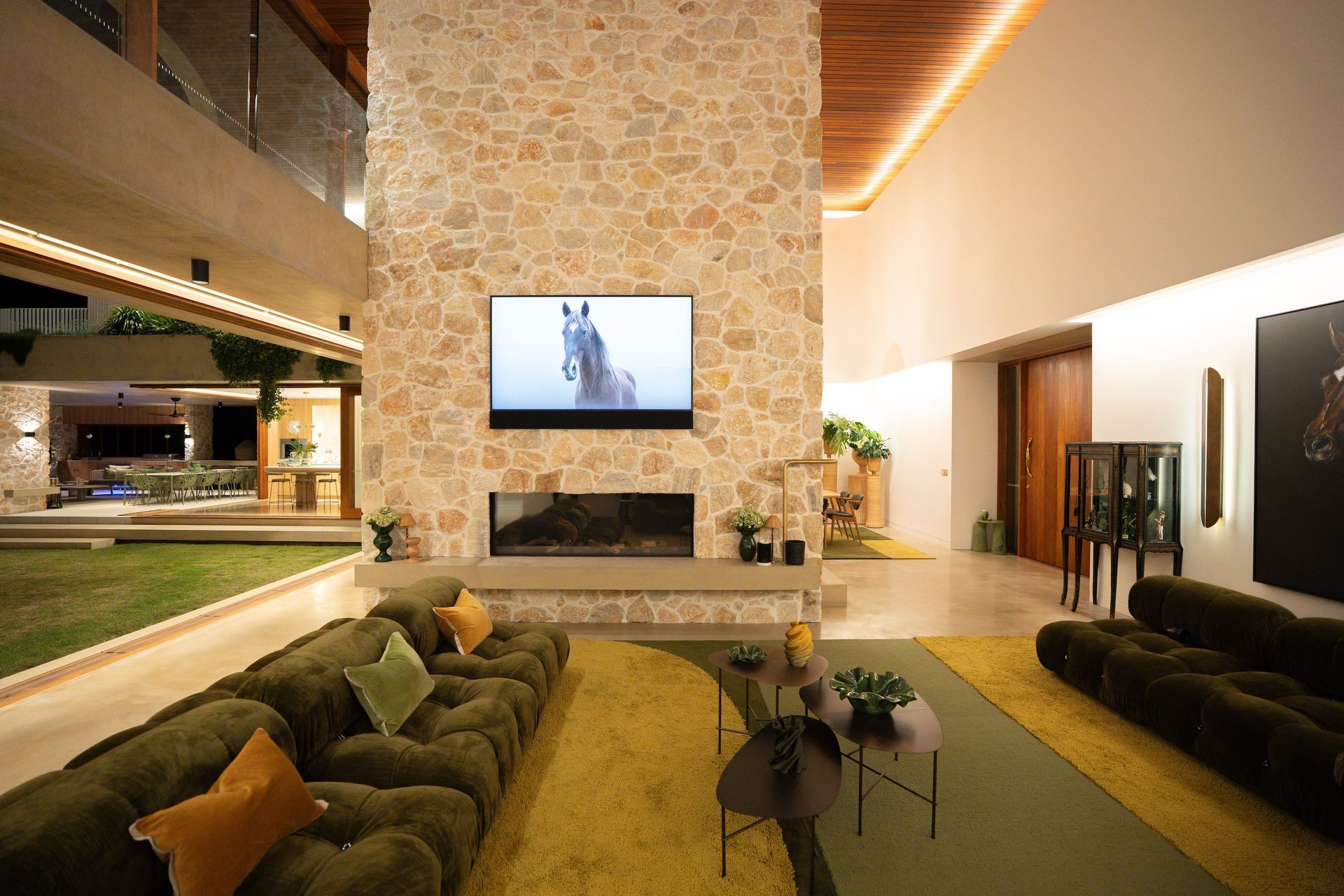
Lighting isn't just for show; it plays a big part in how energy flows on a property. We always take a close look at where it’s used and for how long.
For outdoor areas, garden lighting and sensor fittings usually start getting more use once the sun sets earlier. It's easy to forget those little changes in timing can affect the whole flow of a setup.
• For backyard spaces, low-voltage or LED lights tend to have less draw and more control
• Deck fans and outdoor feature lights often hook into the same circuits as indoor ones, so usage can spike across both at the same time
• Sports fields and local activity spaces may need lighting well into the evening hours, especially during training seasons
A slightly new pattern in one spot can impact another. So it's worth giving each area its own plan when things get busy.
Spotting Problems Before They Become Bigger Ones
Sometimes we can smell when something's off or see a light flicker, but many electrical issues don’t show much from the outside.
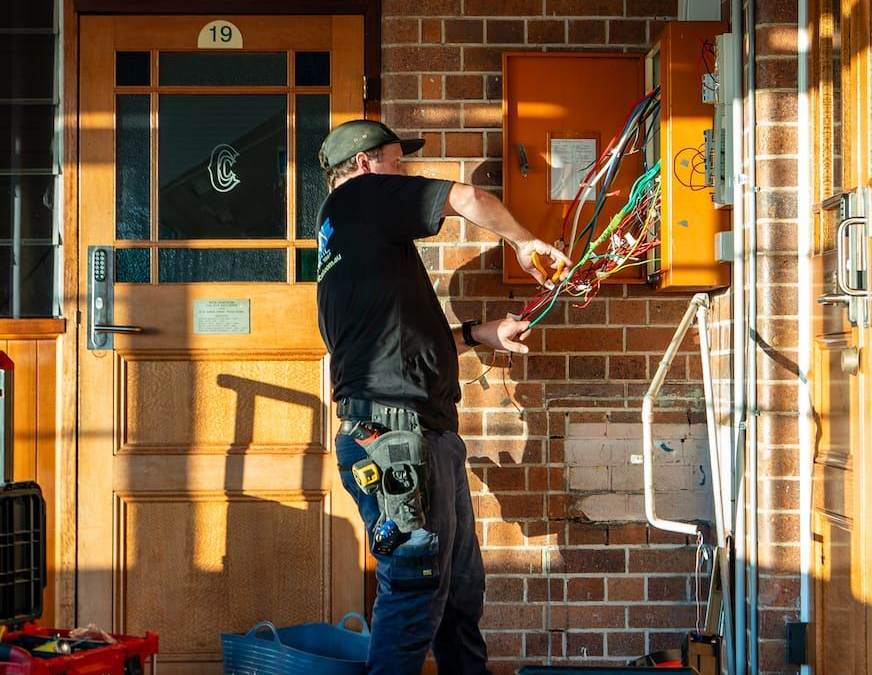
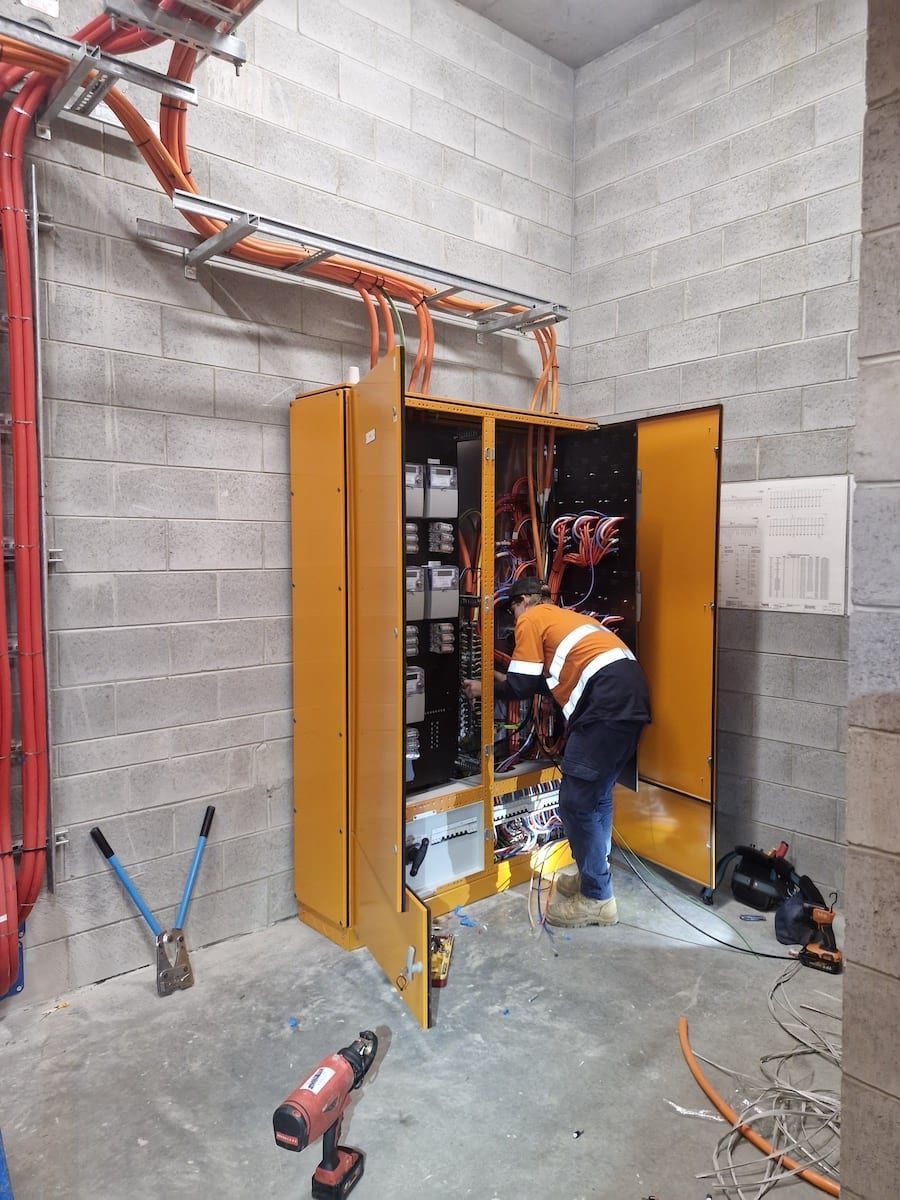
That’s where tools like thermal imaging come in. It reads heat through surfaces, pointing out where wires or boards might be working harder than they should. This is especially useful around older switchboards or connections that aren’t as solid as newer setups.
This time of year is great for routine checks. Before we hit that mid-winter demand where heaters run longer and lighting stays on past dinner:
• Routine RCD testing makes sure your safety switches are ready if something goes wrong
• Quick thermal scans can highlight weak spots you can’t see just by opening the board
• Maintenance is smoother and safer when done in cooler weather with less high-heat equipment running
It’s never about scaring people into checking things. It’s about knowing where to look before something goes too far.
Making Security Lighting Work for Your Schedule
Sensor lights around properties do double duty; they look after general safety and also help with movement in darker spots. But if they’re set up poorly or wired into the wrong circuit, they can become more of a bother than a help.
With shorter evenings approaching and activity still running at full pace, well-planned sensor lights can make a real difference. Here’s how we think about them:
• Choose places where movement is expected, like mine sheds, side gates or bin areas
• Set timers carefully to avoid false triggers or overuse during quiet hours
• Check that fittings are protected from weather and that bulbs or movement sensors aren’t blocked by debris
We often find issues like water getting into fittings or timers being accidentally set during daylight saving changes. Sorting those out early saves hassle later.
Autumn Is the Ideal Time to Tune Things Up
As the weather starts to cool, power habits shift. Fans slow down, but other systems like heaters or lighting step up. Getting in early to tidy up circuit plans and check mechanical parts tends to pay off once winter comes.
Autumn is a good middle ground. There’s time to move things around or add fixes without racing the clock against big temperature changes or long weekends filled with events.
Good electrical setups are less about one big fix and more about doing the steady jobs that keep everything ticking along nicely. That includes:
• Testing how ceiling fans swap over to heater mode in shared light switches
• Checking timers are still tracking solar hours as days shorten
• Making sure lights by walkways or tool storage work well and feel safe
It doesn’t take much to spot small issues that could throw a site off. A bit of careful thinking now means less problem-solving when everyone’s depending on things working right.
By working through these checks each season, especially in active spaces, we keep sites safer and less stressful. Whether it’s a large work area or a backyard renovation, simple tweaks give people one less thing to worry about when they’ve already got plenty on their plate.
Keep your site running smoothly as the seasons change by taking advantage of smart planning. Reviewing your lighting setups and checking circuit load balance now can prevent bigger issues later. With extensive experience across a range of properties, we understand the importance of safe and reliable systems. To see how we handle different kinds of electrical project solutions, give Heat On Electrical a call today.
You might also like