Sensor lighting can be a great addition if you're looking to make outdoor spaces feel safer without overdoing the brightness.
When done right, these lights can help guide people after dark or alert you when there's movement. But if you’ve ever walked past a sensor light that felt more like a spotlight, you’ll know that more isn’t always better. It can be just as frustrating dealing with too much light as not enough.
Planning how sensor lights work and where they go can make a big difference. Good placement reduces harsh glare and saves energy too. It also means you’ll deal with fewer issues later on. Sensor lighting troubleshooting is much easier when the job’s been planned out properly. As Gold Master Electricians with over 25 years of membership, we keep up with changes to electrical laws and safety systems so these setups stay compliant and safe across Brisbane homes.
With summer winding down, now's a smart time to check your lighting. The warmer evenings give you a chance to see how your setup works in real-time and spot anything that needs a rethink.
Check the Space Before You Light Up
Before jumping into changes, it helps to look carefully at the areas you want to light. Take a walk around your yard, driveway, or entry path just after the sun sets. That’s when you'll notice the places that feel dim, unsafe, or awkward to move through.
As you look around, focus on what really needs light and what doesn’t. You might find that some dark corners actually benefit from lighting, while other bright areas are already fine. Think about how people move through your outdoor spaces and where someone would naturally walk once it gets dark.
A few things to keep in mind:
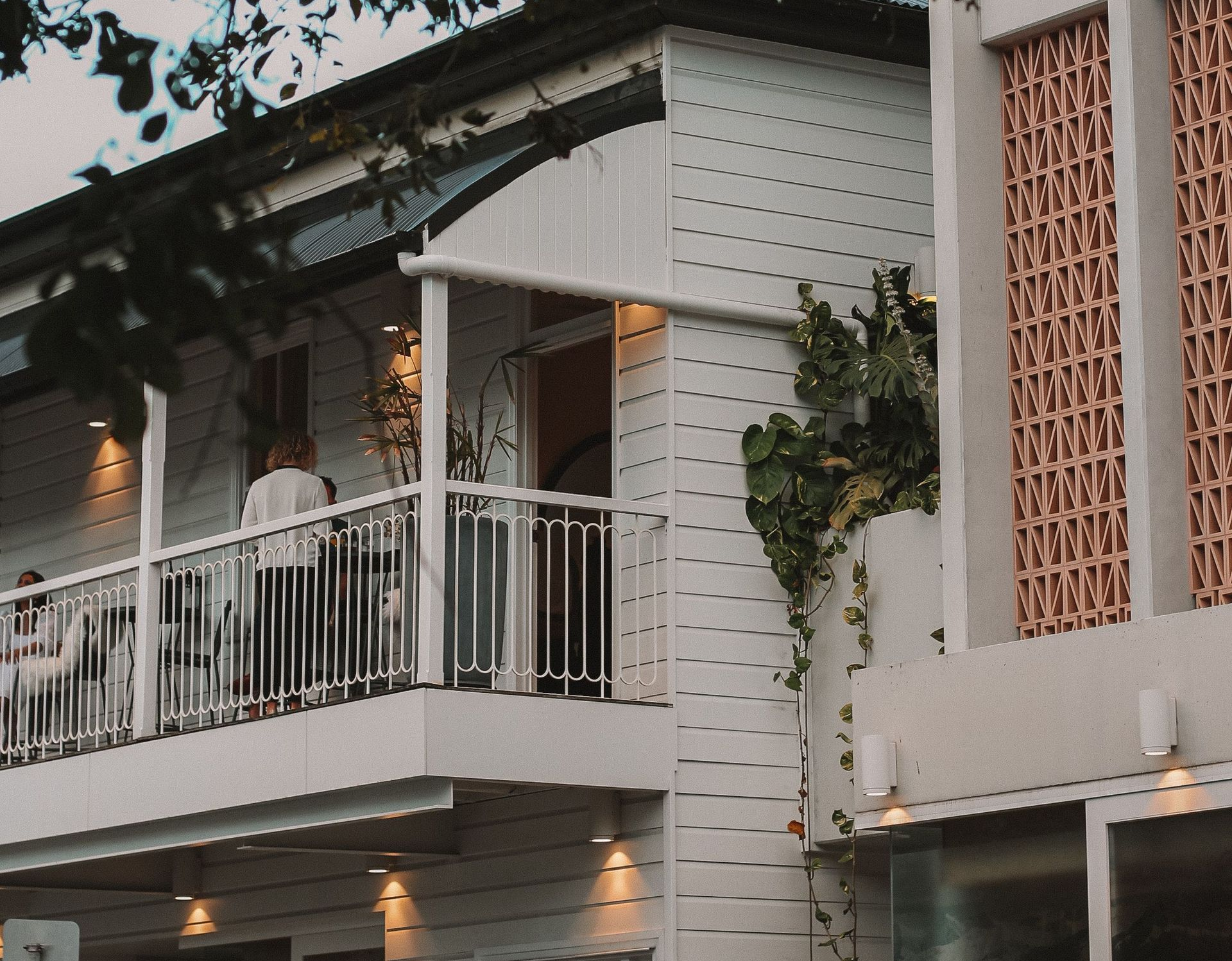
• Use lighting to highlight places like steps, entries, and walkways
• Avoid placing lights next to bedroom windows or near your neighbours’ homes
• Try not to shine lights on reflective surfaces like glass doors or polished tiles
This helps keep lighting practical without it being too harsh for people or pets.
Pick the Right Sensor Settings
Once you've figured out where your lights should go, it’s time to fine-tune how they work. Every space has different needs, so one setting won’t suit them all. The main things to adjust are motion sensitivity, how long the light stays on, and the direction of the sensor.
Start by thinking about sensitivity. If it's too high, you’ll get lights turning on at every passing cat or falling leaf. Too low and it might not pick up people walking in dark areas. Strike a balance that works for the space and its usual traffic.
Timer settings are easy to forget but affect how efficient your lights are. If lights stay on too long after movement, they waste energy and lose their purpose. Shorter on-times usually work well for paths and entryways.
This is also a good stage for a bit of light sensor lighting troubleshooting. Common issues include:
• Sensors aimed too high or too low
• Blocked lenses from dust or spider webs
• Lights placed behind plants or overhangs
Sometimes just changing the angle or height can fix a problem without replacing anything.
Use Timers and Circuits to Avoid Overuse
Sensor lights are meant to run when they're needed, not stay blazing through the night. Pairing sensors with timers gives you even more control, especially during daylight hours when solar generation is at its peak. This is extra handy if you've got solar installed and want to shift electricity usage into the middle of the day.
When planning circuits, think about how different outdoor features work together. Ceiling fans, garden lights, and sensor lights don’t all need to be active all the time. If you set them up on different circuits, you get better control over each space.
Here’s what smart planning can look like:
• Timers that control when sensor lights can even activate
• Garden lighting on a separate switch or circuit for relaxed evening use
• Zones grouped by how often they're used, so rarely needed lights don’t drain energy
This sort of control stops everything from switching on at once, reducing strain on your system.
Keep Your System Reliable With Routine Checks
Over time, even great lighting setups can start to fade in performance. Dust collects, bugs crawl in, and systems get knocked slightly out of place. That’s why it's smart to check on everything regularly.
Start with the lights themselves. Make sure they’re clean and not blocked by plants or cobwebs. Next, test the sensors and timers to make sure they still respond correctly. If you’re not doing it already, now's a good time to include routine RCD tests and schedule AC cleans too. As part of our residential services across Brisbane, we carry out lighting upgrades, landscape lighting, and switchboard inspections and tests, so these checks can sit alongside wider safety work for your home.
Thermal imaging can help spot bigger issues behind the scenes. This kind of check can pick up trouble spots in wiring before they become bigger problems. Catching those early keeps your whole setup running longer and safer.
Just doing a quick walkthrough once a month makes it easier to fix small issues before they grow.
Why Less Light Can Do More
It might feel like more lighting is always better, but that’s not always the case. Overlighting can make things look harsh or even confusing. When lights are too bright or always on, they lose the clean, helpful effect you were aiming for.
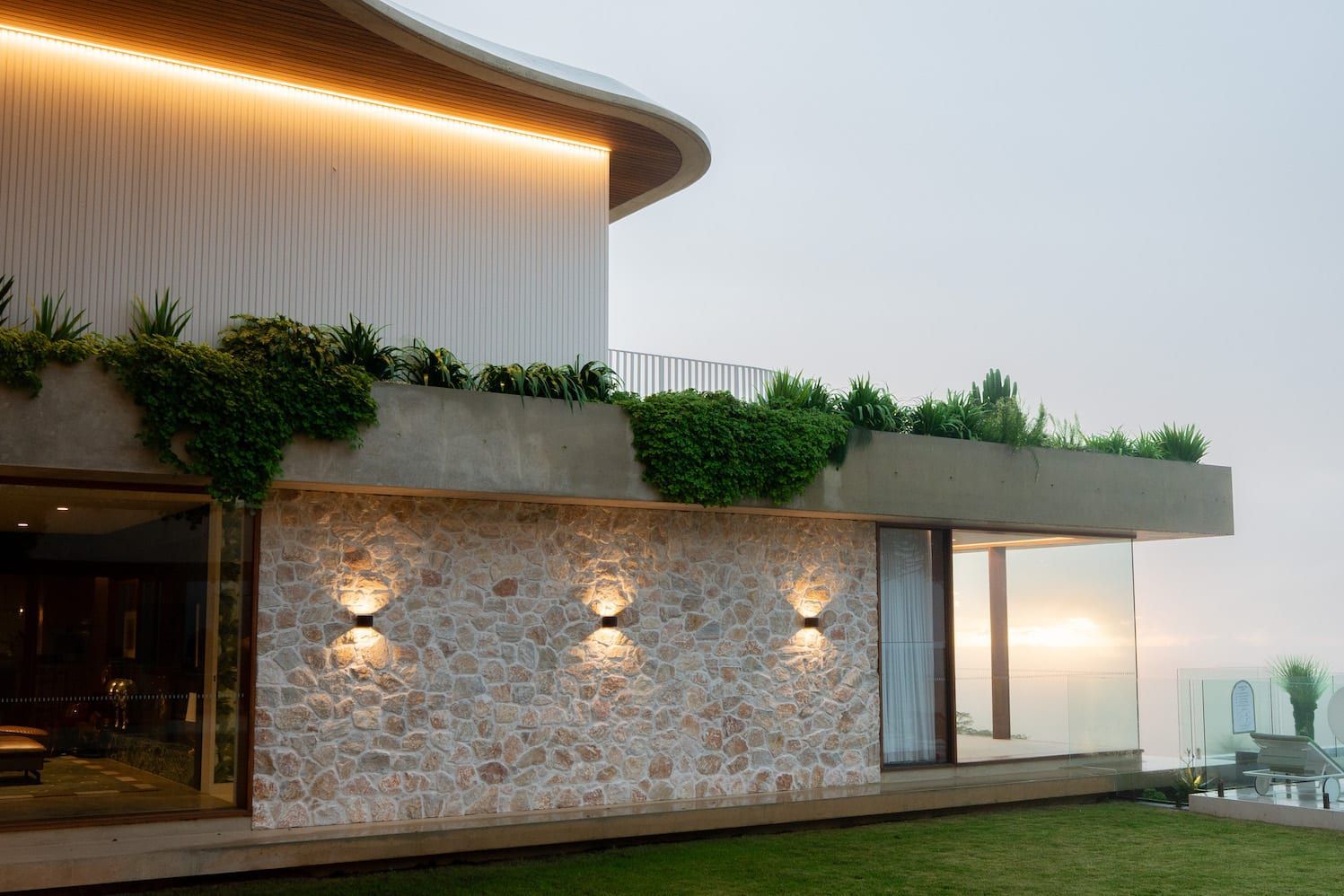
Well-planned lighting is almost unnoticeable in the best way. It adds to your space, making it easier to move, see, and feel safe. When sensor lights turn on only when needed, they save power and help people nearby feel comfortable rather than disturbed.
By planning from the beginning and keeping up with routine maintenance, your lights do exactly what they need to. You’ll save energy, reduce problems, and create a space that works for warm summer nights and beyond. Thoughtful, simple choices now can mean fewer problems later and a cleaner look for your outdoor areas.
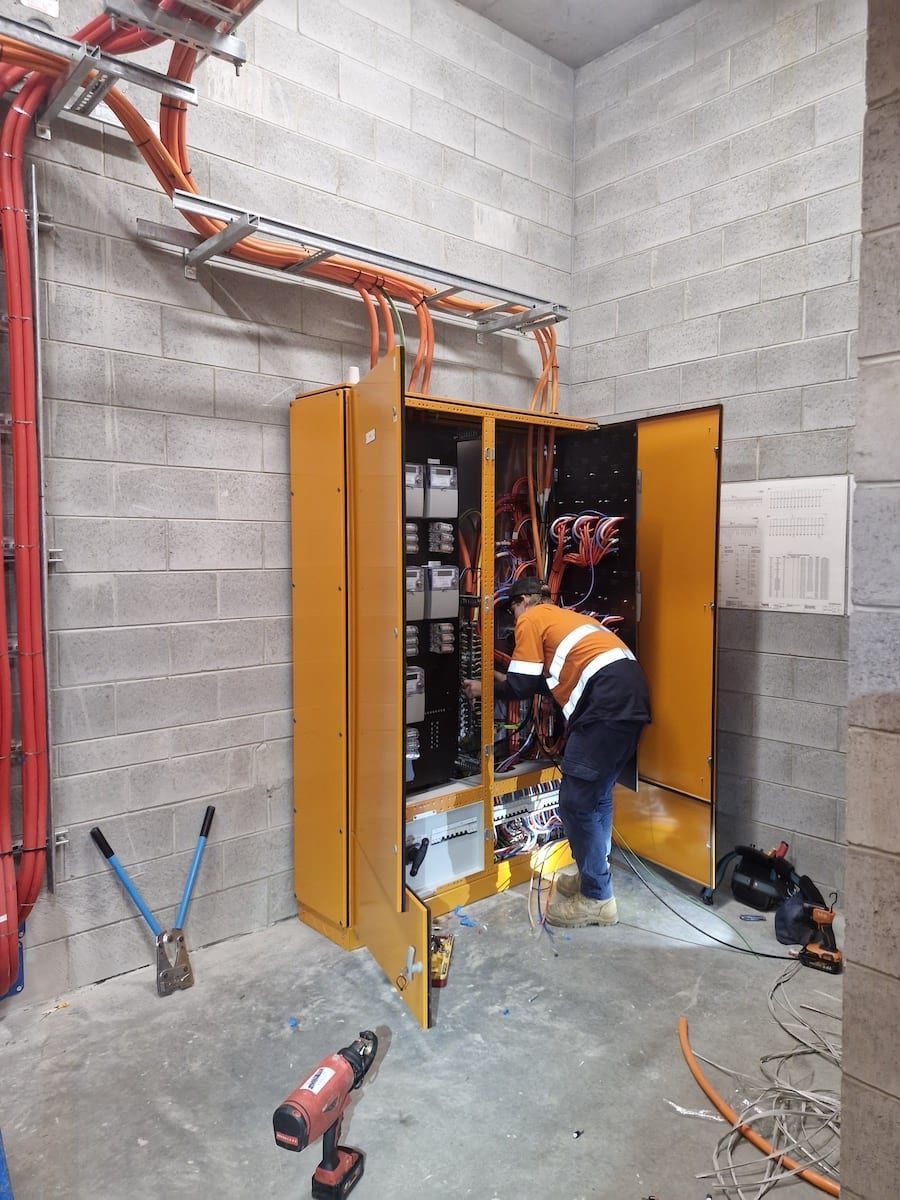
If your sensor lighting still isn’t working how it should, it might be time to take a closer look at the system itself. Circuit layout, switchboards, and connection points can all play a role in how outdoor lights function. That’s why it helps to review your setup alongside your switchboard and make simple updates where needed. At Heat On Electrical, we’re ready to help with switchboard upgrades in Brisbane whenever your system needs an extra check or a proper refresh.
You might also like