
As summer rolls closer and the days get longer, now’s a good time to think about how we use electricity when the sun is shining.
It’s easy to let garden lights, fans, and pumps run longer than needed without thinking about whether they’re eating into peak power use. One way to manage this is by installing timers on circuits during solar hours.
This simple setup helps make the most of solar-generated energy during the daytime. It also eases the pressure on circuits once the afternoon cools off and night-time power use starts to climb. From garden lights to ceiling fans, setting up timers gives you more control over when things switch on and off and keeps everything running the way it should, without using more than you need.
What “Timers on Circuits” Really Means
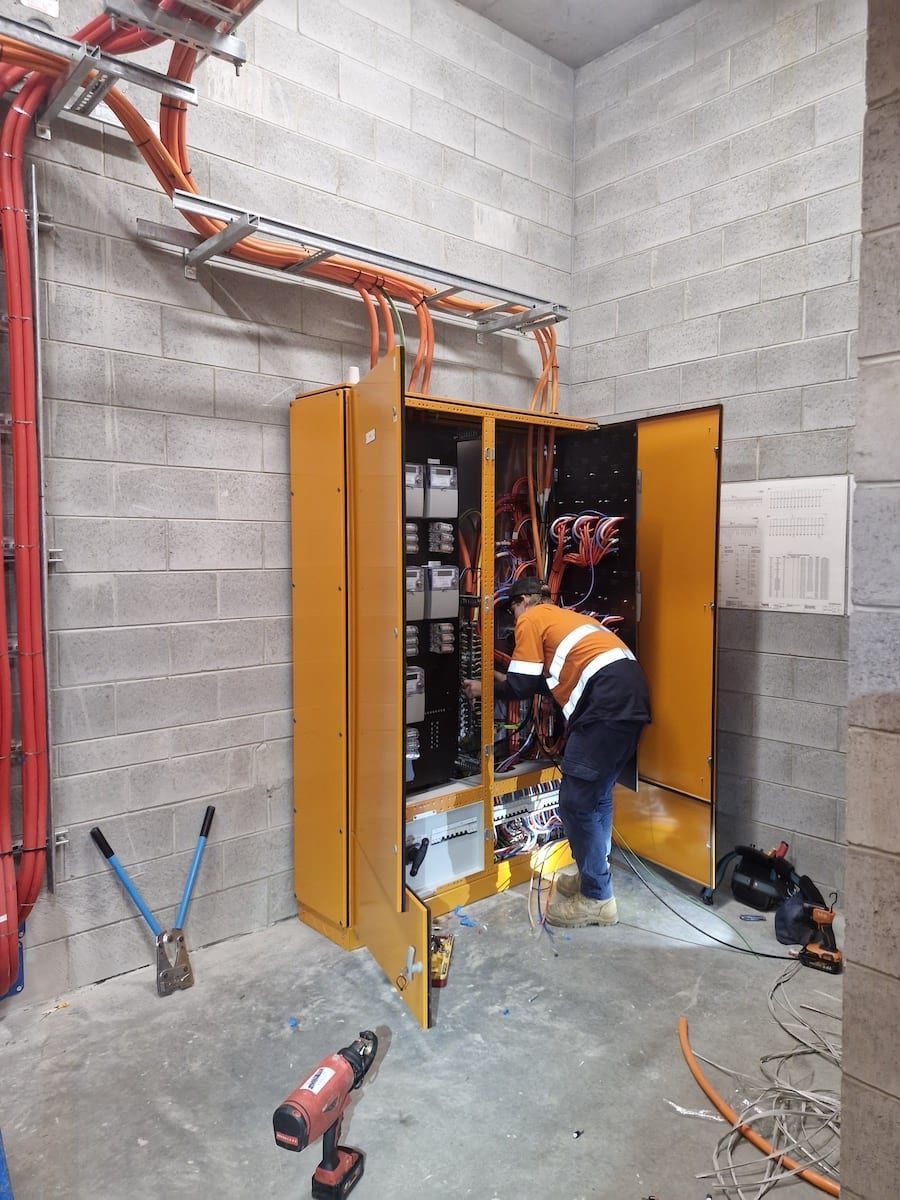
Timers work by switching circuits on or off at set times. That means things like lights, pumps, or fans only run when they’re actually needed, instead of staying on all day. Some are plugged in directly at the outlet. Others, especially the ones set up by a licensed electrician, are installed at the switchboard for more control across whole areas of the home.
We usually see them added to outdoor gear that doesn’t need to be on around the clock. Think garden lights that only need a glow after sunset or fans on a timer that cool off the patio in the middle of the day. Setting these up can be a quiet fix for big problems, such as overloading a circuit or running equipment longer than it should without real benefit.
Timers can also be quiet energy-savers. When working during solar hours, they pull power while the sun is strong, then reduce the load when solar drops out. No one has to think about flipping a switch because the timer handles it all.
Some Brisbane-based electricians offer installation of timers as part of larger switchboard or solar-ready system upgrades, making it easier to integrate energy-saving measures during renovations or new builds.
Why Daytime Solar Hours Make a Difference
In a Brisbane summer, solar panels do their best work between late morning and mid-afternoon. That’s when the sun is high and strong. If we time circuit use to match those hours, we take advantage of that natural power, instead of leaning too hard on the grid later in the day.
This might mean setting timers for garden lights so they don’t turn on too early, or telling the pool pump to run in the middle of the day rather than overnight. Ceiling fans in shaded outdoor areas can also run on a timer, giving relief during peak sun without hogging power after the space is no longer in use.
When gear uses solar power during the day, there’s less stress on the system once the sun dips and more of the house comes alive again at night. It spreads the load better and avoids tripping breakers or running things longer than planned.
For bigger solar setups, timers can be coordinated across several circuits to ensure only the necessary equipment is running at once, reducing the risk of accidental overload and keeping maintenance simple.
Where Timers Work Well Around the Home
Some homes have gear that runs longer than necessary simply because it gets switched on and left alone. When you add timers, you cut that down without having to remember every time.
Here are a few good places to use timers:
- Garden lighting that only needs to be on after dark, not starting at sunset or earlier
- Security lights or sensor lights that shouldn’t run through the day when there’s already enough light
- Ceiling fans out on the back deck, in the garage, or in sheds that only get used during the day
- Community or backyard sports lights that aren’t needed until the sun starts to fade, but still often get switched on too early
Timers create a routine. They save energy automatically, which means there’s one less thing to manage, especially during summer when everything's already busy.
More Benefits for Safety and Maintenance
Setting timers isn’t just good for cutting down wasted energy. It actually keeps things safer. Running equipment for too long can overheat circuits, wear out motors, or push boards close to their limit. By keeping run time more balanced, we lower the chance of something going wrong.
This helps with maintenance too. When you know exactly when a certain fan or light runs, it’s easier to spot if something’s off. RCD testing stays clearer, since active circuit times are better tracked. It also ties in with thermal imaging checks, which show if something inside the board is heating up more than it should. Timers reduce the stress that can cause tiny problems to build into bigger ones.
Everything from outdoor lighting to timed fans becomes easier to track. It simplifies checking which circuits are pulling more than expected and gives a cleaner starting point if anything needs repairs or tune-ups down the road.
Many local electricians now include timer and circuit scheduling as part of routine maintenance or safety checks, pairing these updates with thermal imaging to spot any signs of overload.
Planning Ahead for a Cooler, Smarter Summer
With summer about to kick in, it’s worth getting these setups sorted while the heat’s still manageable. Timers help make use of solar energy without having to chase switches all day. They're smart, hands-off helpers that keep things ticking when we're doing other things.
When gear only runs during peak solar hours, we keep our boards cleaner, our circuits cooler, and our homes a little less under pressure when it matters most. It’s a simple move—one that makes the holidays and heatwaves feel just a bit smoother.
Making your summer setup more efficient starts with the right timing. Installing timers can help keep outdoor lights, fans, and pumps running when needed without burning extra energy after dark. We’ve found that setups like this work best when matched with your switchboard, since that’s where we can fine-tune how each circuit behaves. Read more about how we manage installing timers on circuits during solar hours and what it means for a safer, smarter home. If you’re ready to make a change, contact Heat On Electrical today.
You might also like