Ceiling fans are one of those home features that quietly do a lot of work, especially once summer arrives.
As the weather turns hot and humid across December, it’s tempting to lean heavily on air conditioning. But small changes can go a long way when it comes to comfort and energy use, especially during those long, bright summer days.
Using ceiling fans wisely can mean running the air con less often or at a higher temperature. And when they're paired with timers or set to run during solar hours, they help keep the house cool without pushing up energy loads. Let’s look at how they do that, and how to get the most from them this season.
How Ceiling Fans Circulate Cool Air
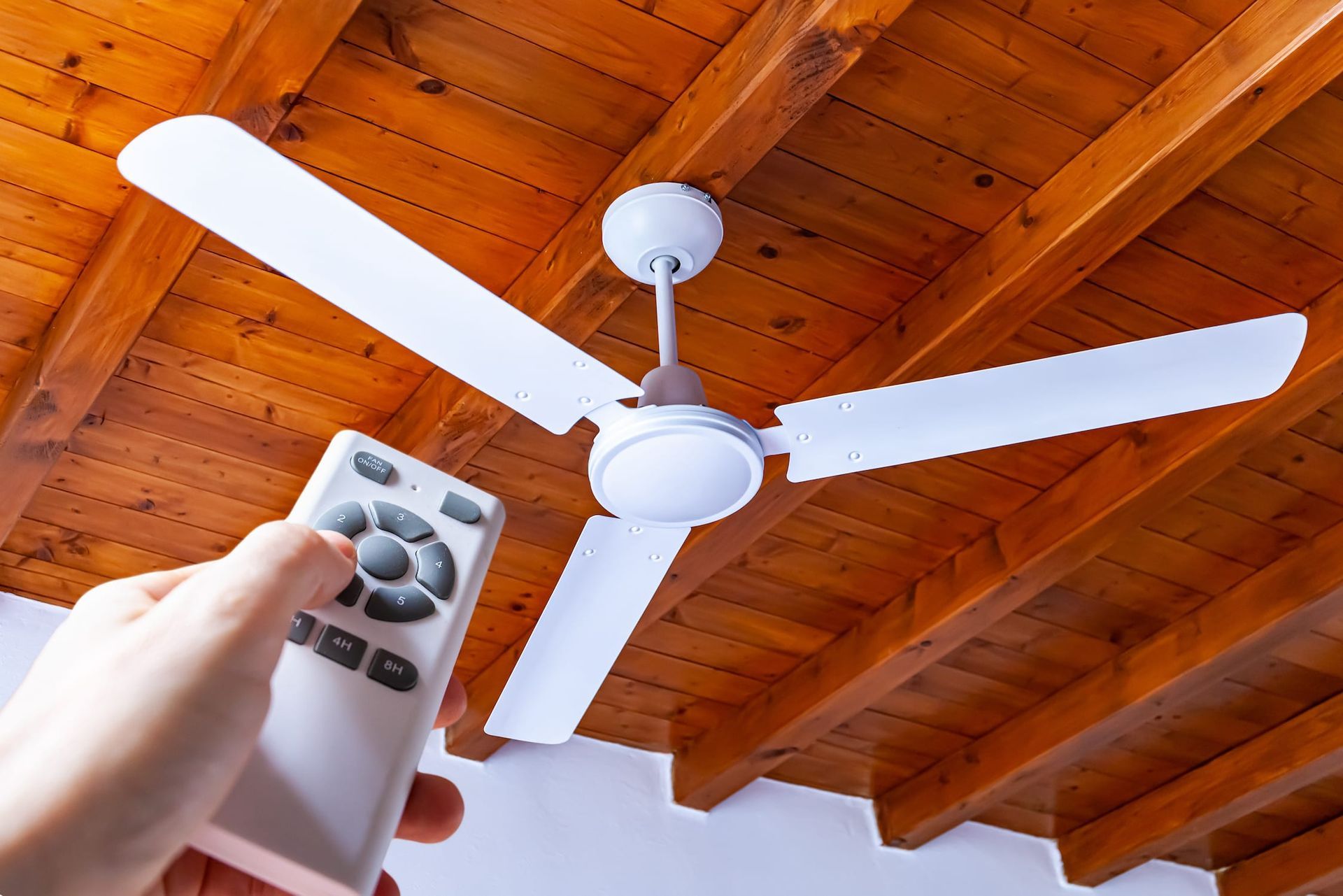
Ceiling fans don’t lower a room’s temperature, they make it feel cooler by moving air across your skin. That airflow helps with evaporation, which is what allows our bodies to cool down naturally. It’s simple, but it works well, especially when the heat starts climbing in the afternoons.
They’re also useful for spreading cool air more evenly through a space. If you’ve got the air con running, a ceiling fan can move that cold air around the room so it reaches further without needing to crank things up. This is especially handy in bigger rooms or spots with high ceilings, where cold air tends to settle too quickly.
Fan direction is another area people often forget. In summer, blades should rotate in a way that pushes air directly down. Most fans have a small switch that changes direction, and setting this right as the season changes can make a noticeable difference. Downward airflow means you feel cooler without changing the temperature.
Using Ceiling Fans With Timers and Solar Load
When it comes to energy-saving changes, installing timers on circuits during solar hours is one that holds up really well through summer. That includes ceiling fans. A fan set to run during peak daylight makes use of rooftop solar, which is usually strongest from mid-morning to late afternoon.
Timers are a great match for fans in living rooms or bedrooms, especially when you know the times people are most likely to use those areas. The same goes for patios, having the fan switch on around lunch and off in the early evening means outdoor areas stay usable without draining extra energy.
This setup is even better with solar panels. When fans are synced with solar production, you're using that mid-day power in real-time instead of feeding it back into the grid and drawing from it later. Once the sun goes down, there’s no risk of wasting power by leaving something running.
Some licensed electricians can install timers that work with existing solar set-ups. This lets you automate fan use and further reduce your reliance on grid power during the day.
Where Fans Suit Best and When to Upgrade
There are plenty of spots around the house that benefit from ceiling fans. Bedrooms are high on that list, especially given how warm nights can get. Living rooms with lots of open space or high ceilings are another good match, where moving air can make the whole area feel less stuffy.
Outdoor fans are becoming more common too. Covered patios or decks often get the worst of the sun through the middle of the day, so a well-placed fan makes those areas more bearable without needing to run outdoor coolers or extra appliances.
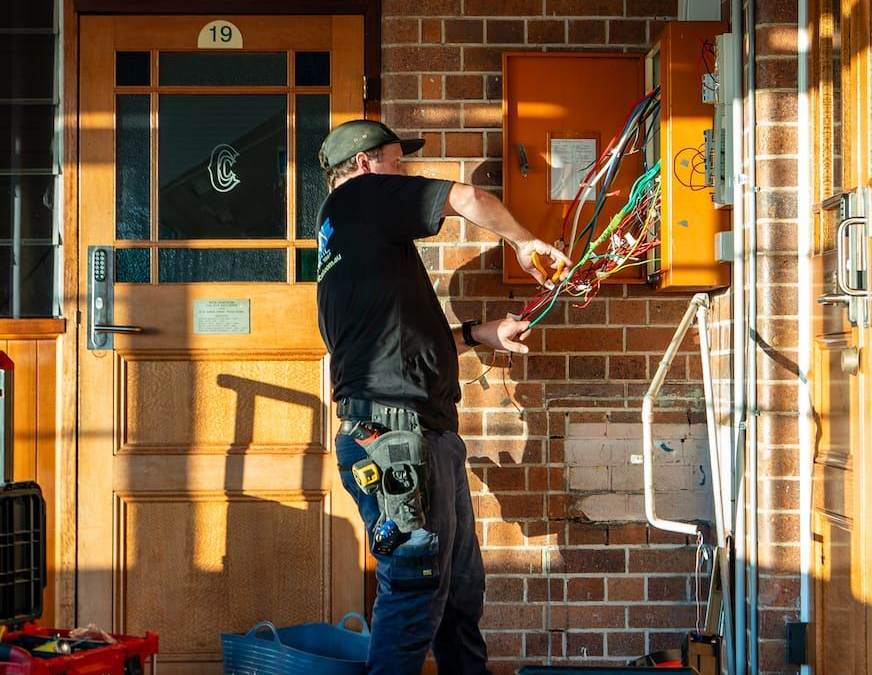
Installing or replacing a ceiling fan often means wiring, isolators, and safety checks. It’s smart to work with a licensed electrician, who can make sure the cables are managed correctly and the fan’s isolated from other circuits where needed. If an existing fan squeaks, wobbles, or just doesn’t seem to move much air anymore, it could be a sign it's time for an upgrade. If it’s tripping the power or seems to have strange wiring, that’s definitely something to sort out before the heat ramps up.
Some electricians in Brisbane offer installation of wall switches or remote controls for easy use and can update isolators at the fan location during replacement for extra convenience and safety.
Other Add-Ons That Support Summer Energy Savings
Fans are a great start, but little upgrades elsewhere can help cut down energy use without losing comfort. Outdoor lighting can bump up bills if it runs too long. Garden lights and sensor lighting can be set on timers to prevent waste, and still help with visibility and safety at night.
If you’ve got larger lighting setups, like sports lighting in a shared space or backyard field—setting those on schedules or timers keeps them from chewing through power when no one’s around.
Routine maintenance matters as well. RCD testing ensures your circuits are working as they should. Thermal imaging adds another layer of safety by helping detect if parts of your board are overheating, which is especially helpful during long stretches of heat when circuits might be under more stress.
Some Brisbane electricians include switchboard safety checks and thermal imaging as part of their seasonal services, helping you prepare for high-use months.
Smart Energy Without Sacrificing Comfort
Ceiling fans offer a simple way to cool the spaces you're actually using, instead of chilling the entire house. When cooling is matched with timing, placement, and solar-friendly controls, it all comes together into a setup that's easier on both the power supply and the budget.
The summer months are full of activity, high heat, and longer days. Making just a few smart adjustments, like setting fans to run while the solar is strong or adding timers to outdoor gear, can help things run more smoothly without giving up comfort. A little planning now pays off with an easier, cooler summer.
Ceiling fans are a game-changer when summer heat kicks in, and smart use can lead to significant power savings in your home. At Heat On Electrical, we're here to ensure your ceiling fan installations are efficient and effective, improving airflow in the rooms where you need it most. Whether you're planning upgrades or need expert advice on making the most of your setup, we have you covered. Discover how ceiling fans can enhance your summer comfort today.
You might also like