Summer evenings often mean more time outside, but more activity after dark can bring new safety concerns.
It's no surprise that many households think about lighting as the warmer months roll in. Motion sensor lighting for driveways is one of the easiest ways to add visibility exactly when it's needed, without dealing with lights staying on all night long. It does the job quietly, switching on only when someone walks or drives by.
If you've ever dealt with a light that turns on too late or misses motion completely, you’ll know how frustrating poor placement or setup can be. As a family-owned Brisbane electrical business that has been servicing homes since 1987, we have seen how much difference good planning makes to outdoor lighting. That’s why a few small decisions early on can make a big difference. We're sharing straightforward tips that help motion lighting work better, stay energy-conscious, and give lasting support during the busiest months of the year.
Pick the Right Spot for Better Coverage
Sensor lights are only useful if they switch on when you're actually nearby. That all comes down to where the light is placed and what it’s directed at. Even the best lights won’t work well if they’re blocked by shrubs or faced the wrong way.
Think about common entry points across your property. These spots are often the best places to start:
• Driveways where cars, walkers, or deliveries need to be seen clearly
• Side gates that someone might use to reach a backyard or garden
• Garage doors and pathways leading to entry doors
It’s smart to avoid placing lights too close to busy roads, as passing cars or people might keep setting them off for no reason. The same goes for low-hanging branches that sway in the wind. That kind of false triggering won't just become a nuisance, it can also drain energy or wear on the sensor faster.
Once the best spot’s been picked, aim the light to cover walkways and door areas without flooding the neighbours’ windows. Adjusting the angle and being thoughtful about shadows will help the space feel safer without being too bright or bothering others.
Choose Sensors That Match the Area
Not all outdoor lights are the same, and that’s a good thing. Different parts of the yard have their own needs, and choosing a setup that fits each space makes everything work better together. Wide driveways can benefit from a sensor that has a longer reach or wider detection angle, while small garden paths might only need a soft light that triggers with close range.
If you're adding lights to back gardens or side entries, softer lighting that blends with existing garden lighting can help keep the area well lit without being too harsh. Lighting that pairs well with plant beds, deck lights, or low-glow features won’t interrupt the look of your outdoor space.
Here’s what to check when choosing lights for different areas:
• Look for adjustable settings like range, delay time, or brightness
• Make sure the sensor is rated for outdoor use and weather-resistant
• Match the brightness to the area’s size, avoiding too much light in smaller zones
Having sensors suited to each space means fewer false triggers, better lighting when it’s needed most, and better use of power across the property.
Support Motion Lighting With Smart Extras
A few extra pieces can help bring your sensor lighting setup together, especially if you’ve already got solar panels or garden lighting running through your switchboard. Thinking ahead with supporting features can help your lighting run only when it’s needed, instead of staying on during full daylight hours or overloading a circuit.
One of the best ways to keep energy use under control is by setting timers during solar hours. This lets your motion lighting rely on solar power during the day, then switch over to standard power after sunset if needed. Not all lights need to run 24/7. A simple change in the wiring or timer setting can make that possible.
Some other extras that help support safe and reliable outdoor lighting include:
• Adding surge protection at the switchboard to protect sensitive lighting systems
• Using circuit timers or smart switches to stop motion lights from staying on after a set time
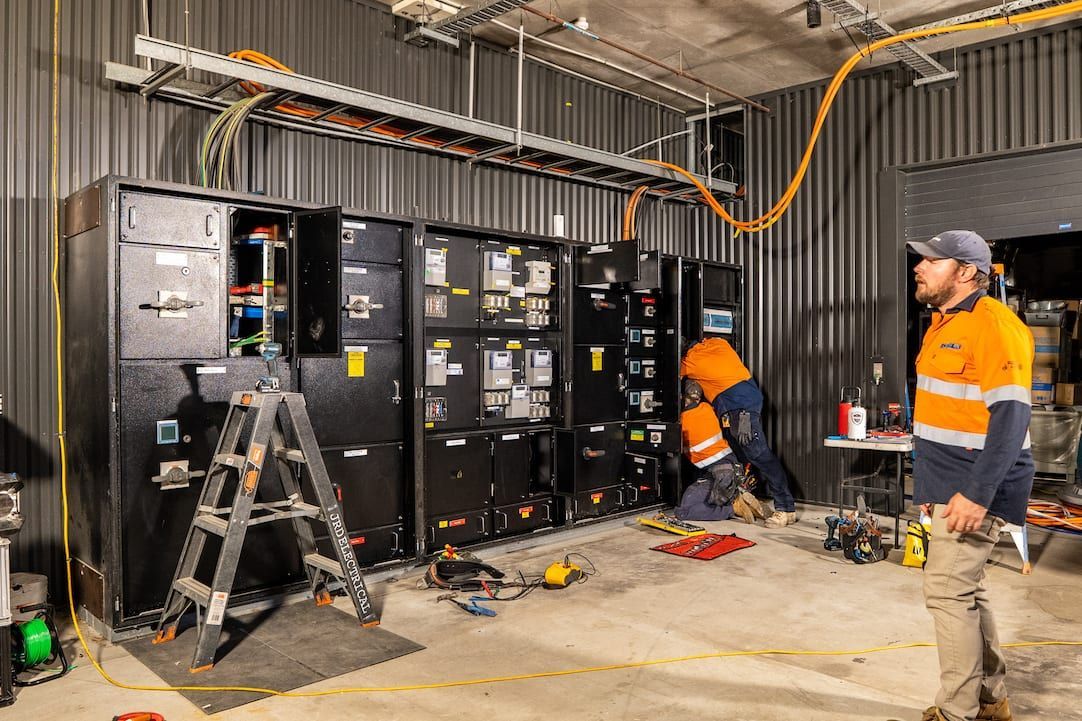
• Booking thermal imaging checks once a year to pick up hidden wiring faults inside walls or fixtures
As Gold Master Electricians with over 25 years of membership, we carry out this kind of testing in line with current electrical safety standards in Queensland. Thermal testing is especially helpful in summer when heat builds up quickly, and sometimes shows a problem before any other sign appears. This step can catch early faults in the wiring that supports your lighting zones, giving time for safe repairs or updates.
Keep Motion Lights Working All Summer Long
Heat, bugs, and daily use all take a toll on sensors and outdoor fittings. That’s why summer is a good time to test that your system is running smoothly. Nothing’s worse than walking into a dark area because the light didn’t pick up your movement or the sensor got blocked.
To keep your lighting system running well through the warmer months, stay on top of these checks:
• Test motion sensors twice a month to catch any slow response or missed triggers
• Wipe down outdoor fittings to remove spider webs, dirt, or bugs that might block the sensor lens
• Schedule routine RCD testing and clean switchboards to help avoid faults or tripping
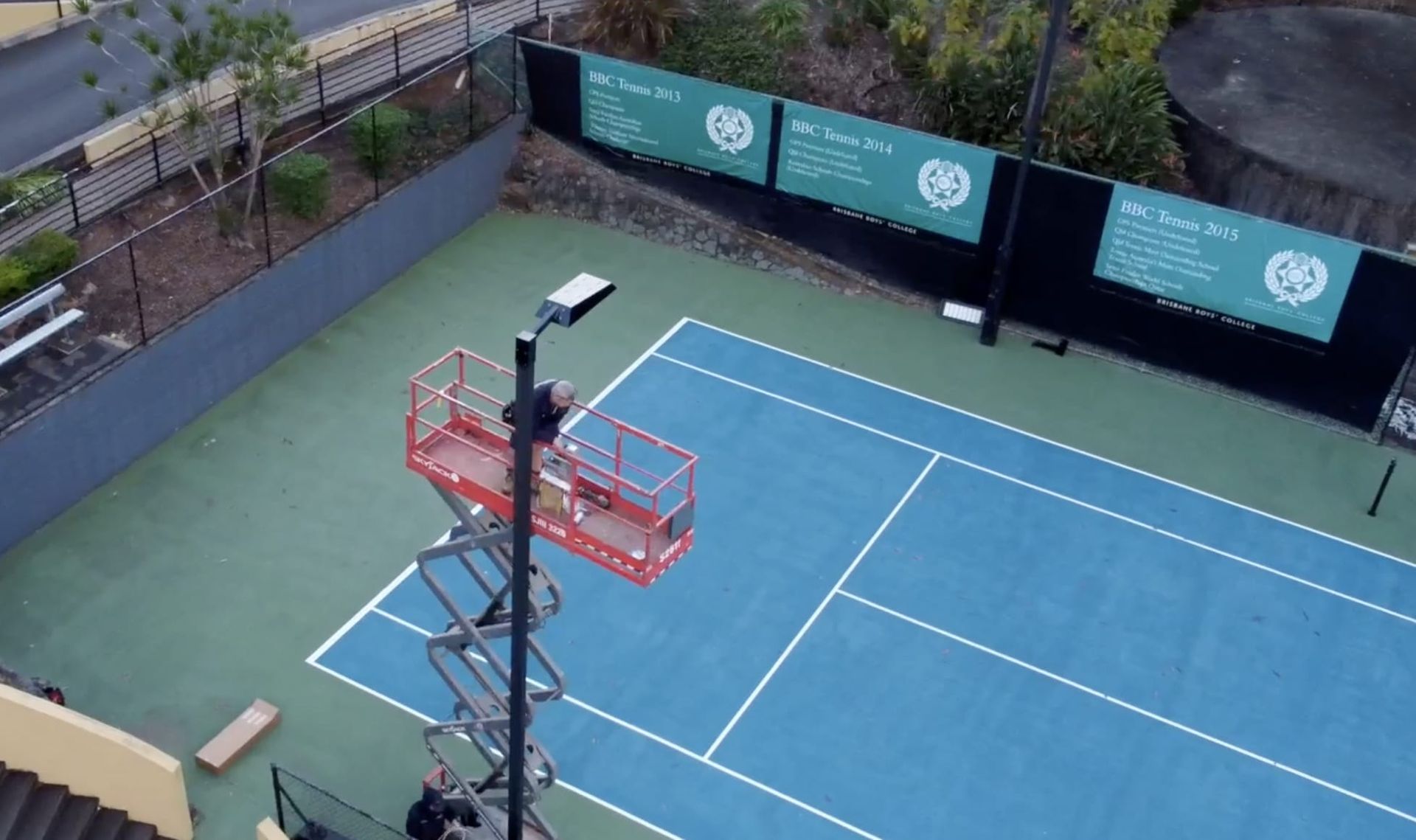
If your driveway or side lights are part of a larger lighting setup, like sports field lighting or entertaining zones with ceiling fans, the combined load might be something to watch. Summer power use tends to spike in the evenings, and that's often when lights, fans, and equipment are all switched on together. Checking that your circuits aren’t running too hot is one way to keep things stable.
Brighter Nights With Less Effort
Good motion lighting isn’t about having the brightest or most high-tech option. It’s about having the right light, in the right place, that works how and when you need it. Whether you’re lighting a long driveway or upgrading the back entry to your home, simple choices like sensor range, timer settings, or where the light is placed can make all the difference.
As Brisbane's summer keeps things warmer for longer and people stay out later, having lights that work when needed adds peace of mind without wasting electricity. With a little support like routine checks and smart wiring, your setup can stay in top shape all season long.
Ready to make your home exterior safer and more efficient this summer? Heat On Electrical can help you create the perfect combination of lighting, performance, and protection with professionally integrated systems. Add clarity and confidence to your night-time spaces by combining motion lighting with reliable switchboard upgrades in Brisbane. Reach out today and discover how a smarter setup can support your lifestyle through every season.
You might also like