
January heat can be tough on electrical systems, especially when your switchboard is handling everything at once.
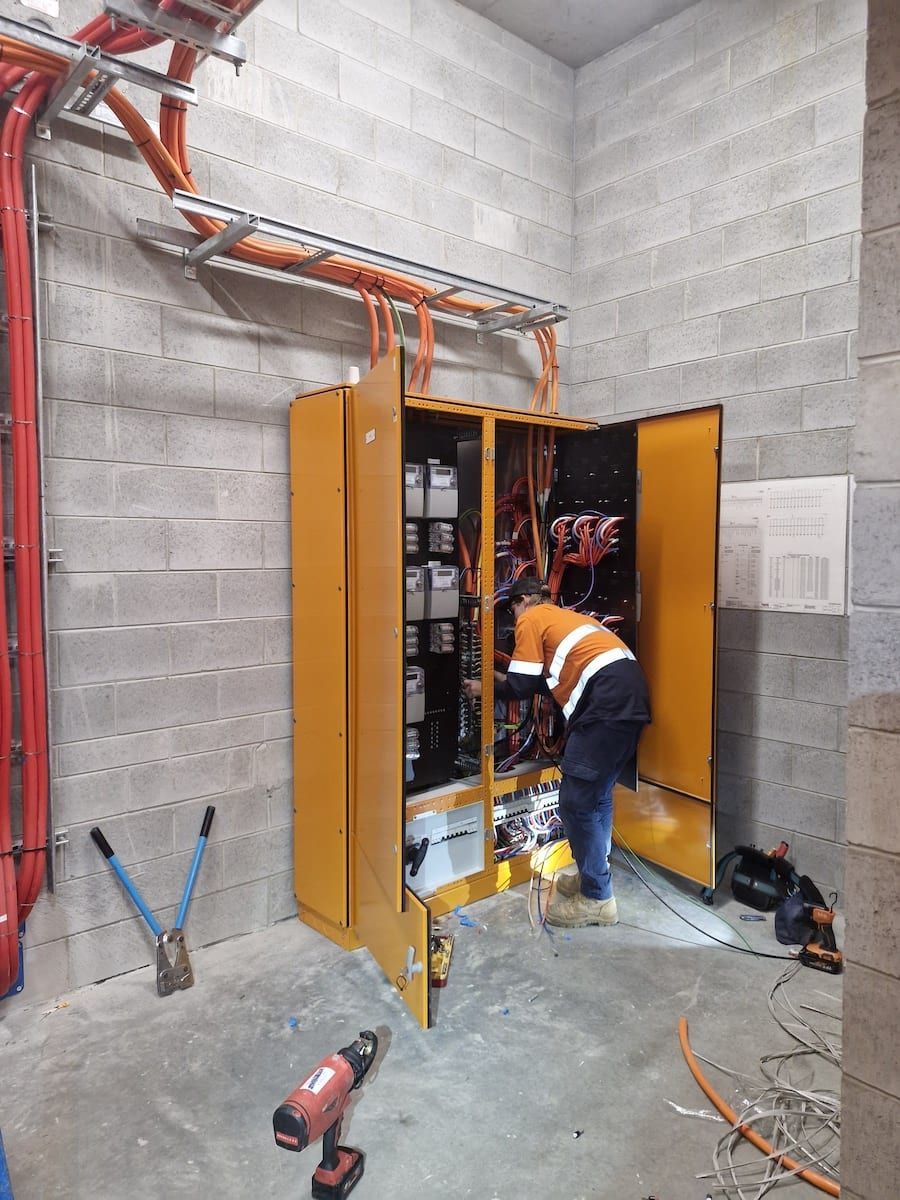
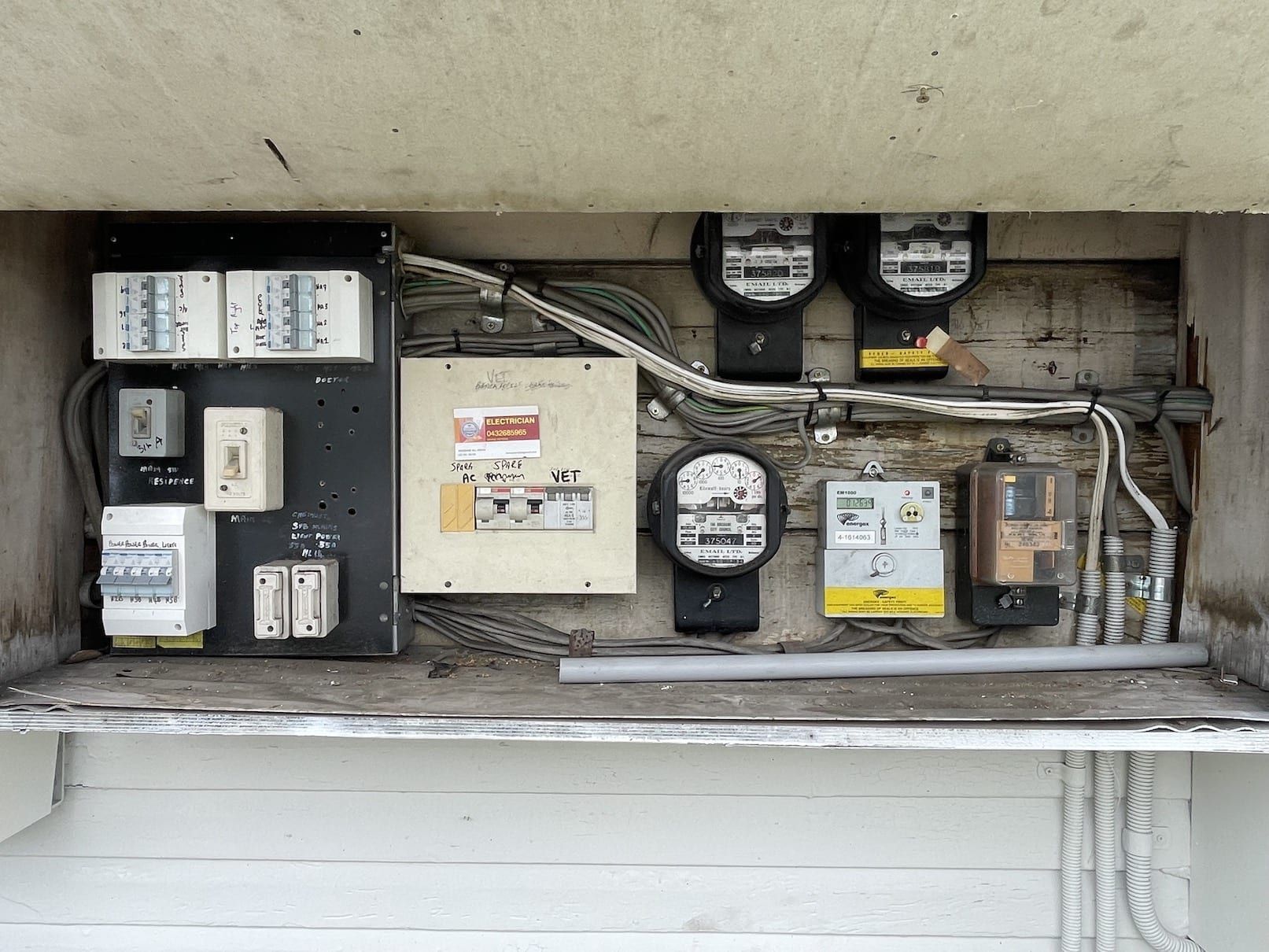
Between air conditioning, ceiling fans, pool equipment, and all the usual summer gear switched on, your main board and sub-boards often work harder than usual. That extra stress can hide early warning signs like loose connections or hot spots that aren’t always visible. This is where thermal imaging on switchboards comes in. It lets us see faults building behind the scenes before they become bigger, riskier problems.
Why Electrical Systems Strain More in Summer
Summers come with longer daylight hours, more gatherings at home, and more time spent outdoors. This usually means more appliances running at once and higher overall demand on your switchboard, from air conditioning and fans through to outdoor lighting, pool pumps, and entertainment systems all drawing from the same supply.
Extra use like this builds up heat in the background. And when you mix heat with Brisbane's summer humidity, things tend to wear down faster. Plastic parts can warp, metal contacts can expand and loosen, and moisture can sneak into outdoor fittings.
Some things to watch during this time include:
• Switchboards with older wiring getting overloaded
• Circuits powering high‑load equipment like air conditioning or outdoor lighting showing signs of heat wear
• Outdoor sub‑boards and enclosures losing their water seals
Heat and moisture are a bad mix for electrical safety, and summer brings a lot of both. That’s why it helps to know where unseen trouble might be hiding inside your boards.
How Thermal Imaging Sees What You Can’t
Thermal imaging is a tool we use that picks up heat patterns without needing to open up walls or take gear apart. It works a bit like a camera, but instead of showing pictures, it shows heat levels. That can help spot if a switchboard is holding too much heat in one spot, if a circuit breaker is overloaded, or if a connection is starting to fail.
These heat images can reveal overloaded wires, poor connections, or spots where insulation has started to fail. It gives us the chance to fix things before they start smoking, tripping, or shorting.
Some key areas where thermal checks on switchboards are really useful include:
• Main switchboards packed with newer appliances and high‑demand circuits
• Sub‑boards running air conditioning, pool equipment, or constantly used fans
• Outdoor or garage boards that get exposed to heat, dust, or moisture
It’s a quieter way to pick up signs of trouble without pulling things apart or taking hours on site, and it gives a clear picture of how your boards are coping under load.
Common Problem Areas Thermal Imaging Catches
Across summer, you might notice circuits tripping more often, certain areas of the home losing power, or lights dimming when larger appliances start up. These can all be little signs that something deeper in the switchboard is going wrong. Thermal scans often find trouble in spots we don’t even think about.
Here are a few places that tend to show up as hotter than they should be:
• Terminals and busbars inside switchboards where screws have loosened over time
• Main switches and isolators working close to or beyond their intended load
• Circuits that have been added onto over the years without upgrading the original board
• Switchboards with older safety switches or circuit breakers nearing the end of their life
The great thing about scanning these areas is that it doesn’t disturb your space. We see the problem, explain what’s happening, and make a plan to sort it before something fails or causes damage.
Making Routine Maintenance Smarter with Tech
Summer is a great time to review your switchboard setup and make sure everything behind the scenes is still doing its job. A big part of that includes routine maintenance, things like RCD checks, tightening terminations, testing high‑load circuits, and combining those with thermal scans.
When you run a lot of your appliances during solar hours, it makes sense to link timers and key loads to daylight cycles. That way, circuits spread the load instead of peaking once the sun sets and everything pulls from the grid at once. Thermal imaging helps confirm it's working by comparing heat levels in the switchboard before and after adjustments.
Here’s what we look for during a smart summer check:
• RCDs that respond fast and cut power reliably
• Timers and controlled loads that align with solar hours to avoid high demand at night
• Thermal checks on switchboards showing if anything is heating too fast or holding steady
These checks aren’t just about safety; they help everything last longer and work better. That way, you’re not stuck fiddling with breakers in the middle of a gathering or chasing which circuit has failed when something won’t switch on.
Keeping Outdoor Areas Safe After Dark
Once the sun goes down, most people don’t realise how much their outdoor circuits rely on a healthy switchboard. Security lights, sensor floodlights, and path lights all depend on safe, well‑balanced circuits feeding from your main board or outdoor sub‑boards. But when they go unchecked for a while, they can create issues that show up back at the switchboard.
Over time, outdoor fittings can fade, shift, or trap water, and those problems can create extra heat and strain in the board feeding them. Even small things like faded wires, loose joins, or poorly protected circuits can cause extra heat to build up without anyone noticing. Thermal imaging cuts straight to these issues at the switchboard so they’re not left sitting there all summer.
It’s especially helpful in places like:
• Security areas with active sensor lighting running from older boards
• Garden and outdoor feature circuits that return to a main or poolside sub‑board
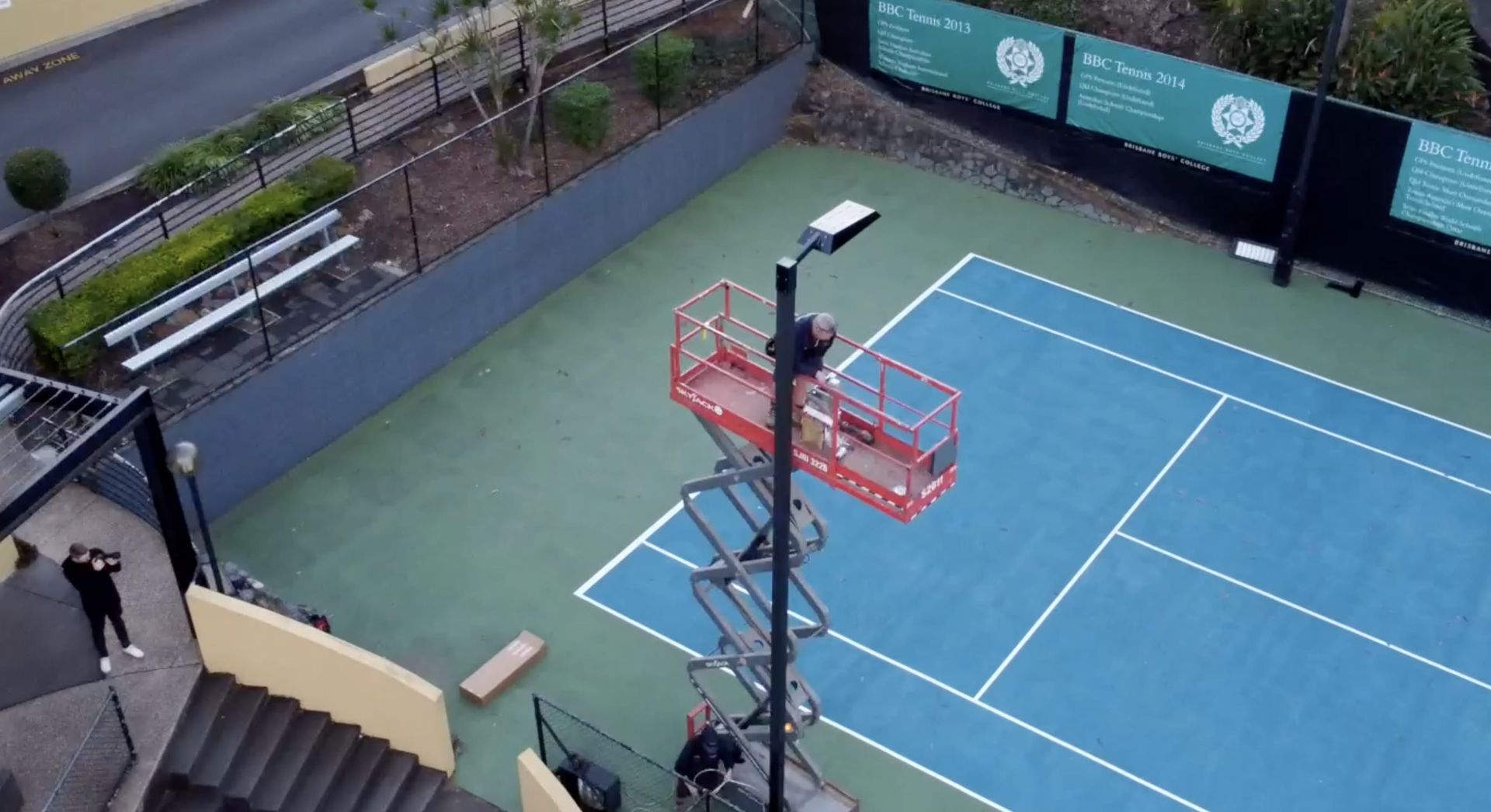
• Sports court or park-style lights that run for hours at a time off dedicated breakers
With more people moving through the yard in summer, making sure the circuits and boards feeding these lights stay safe and cool protects more than just your electricity bill.
Stop Small Issues from Becoming Big Ones
When something fails, it often feels like it came out of nowhere. But the truth is, most electrical problems inside a switchboard start small. Maybe it’s a warm patch on a breaker, a discoloured cable, or a faint buzzing at the board. Over time, these build until they hit the breaking point.
Thermal imaging for switchboards gives that early warning. It tells us where something’s getting hotter than it should, long before it sparks, trips, or stops working.
Combining this with seasonal checks and smart habits around solar use helps keep everything flowing smoothly. With the weather heating up and more time spent outdoors, there’s no better time to spot issues in your switchboard before they affect your home or plans. Small steps now mean fewer big problems later.
If your switchboard has been working overtime this summer or you've noticed circuits tripping or lights flickering, it's worth taking a closer look. Heat and high usage can wear things down over time, especially around older boards or where extra circuits have been added. A quick thermal scan of your boards can show if your home is ready for the rest of the season or if something’s starting to struggle. Let Heat On Electrical help with a switchboard compliance upgrade in Brisbane, so your setup stays cool, safe, and running smoothly.
You might also like