
When the sun is shining, your solar system does its best work. But without the right setup, some of that clean energy can go to waste.
Installing timers on circuits during solar hours helps make better use of that power. It lines up your biggest energy needs with the middle of the day, when your panels are working hardest.
Now that autumn is here, the days are starting to shorten. That makes it a smart time to start thinking about how your home uses energy throughout the day. From ceiling fans to garden lighting or sports field setups, making small timing changes can lead to smoother performance and better long-term results. Let’s take a look at how timers can ease the daily load on your system and help your gear run more efficiently.
Why Solar Hours Matter for Power Usage
Peak solar hours usually fall between late morning and mid-afternoon, when panels can soak up the most energy. That’s when your setup is strongest, but if your high-use devices are all kicking on after sunset, you’re not getting the full value out of your system.
Using up your solar power while the sun is out helps ease strain on your connections later. Without timers or proper schedules, power-hungry appliances may run in the evening instead, forcing your home to draw from the grid or overload ageing switchboards.
Here’s what tends to happen when solar isn’t used at the right time:
• Appliances turn on during peak evening use, leaving solar power wasted.
• Extra load gets pushed to the switchboard when it’s already under pressure.
• Systems wear out faster and might become less safe or reliable.
Lining power use up with midday sun makes your system more balanced and lets your gear work where and when it's most effective.
Smart Timing for High-Use Features
Some appliances don’t need to run all day. Others are fine being shifted by an hour or two without anyone noticing. That’s where timers can really help.
Set-and-forget timers are ideal for smaller changes that make a big impact, especially across common features like garden and indoor lighting. When used right, they can take everyday use and shift it into the times your panels are producing the most.
Here are a few ways this approach works:
• Ceiling fans: Try setting fans to kick in slightly earlier in the afternoon, before the heat builds up. They won’t have to work as hard and can run off solar power instead of grid energy.
• Garden lighting: These lights often run in the evening, but timers can move their start time closer to late afternoon, making the most of leftover daylight and solar capacity.
• Sensor lighting and outdoor setups: Timers help shape when and how long these power-hungry fixtures draw current, making their use more predictable and less of a jolt to the system.
A little planning in autumn means these choices can carry through winter without extra effort.
How Timers Help Reduce Electrical Load Stress
When too many devices run at once, your circuits feel it. That’s where load stress comes in, and it can wear down parts faster or cause faults you never see coming. Timers help split up that demand, so you don’t get one big spike all at once.
Think about sports field lighting, which pulls a lot of power the moment it switches on. By staggering the start times or linking to sunlight hours, you can smooth out the demand and avoid overloading the switchboard.
Timers make it easier to:
• Reduce sharp draw on your electrical system, which protects breakers and circuits.
• Keep switchboards running cooler and more evenly across key parts of the day.
• Spread usage across the solar period so energy isn’t focused in just one window.
This comes in handy not just for large spaces, but also for homes that use multiple circuits for different rooms or outdoor areas. Reducing the sudden use of energy helps everything run better and last longer.
Complementing Timers with Routine Electrical Checks
Timing tools do a great job shifting loads, but they work even better alongside other smart maintenance tasks. That’s where autumn becomes the perfect season to review the rest of the system.
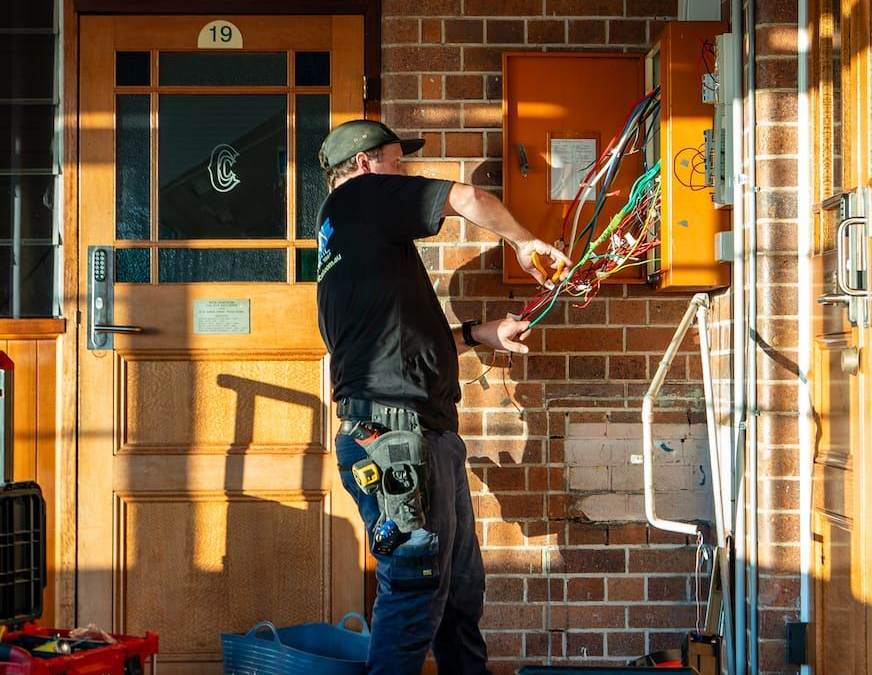
We always recommend checking in on switchboards and running standard RCD tests as part of your autumn routine. While you’re adjusting timers, it makes sense to also:
• Review thermal imaging scans to spot hidden issues in wiring or connections.
• Test RCD safety switches to confirm they're working correctly.
• Match timers with current appliance use to avoid overlap or overuse across circuits.
Thermal imaging is useful after new setups are installed or if timers have changed when power flows. It helps pick up heat in the background that might not show through until something fails. Pair that with proper cleaning of AC returns and sensor units, and you’ve got a safer, smoother setup ready for the cooler months ahead.
Powering Smarter: How Timed Circuits Help Your Setup Work Better
Making smarter use of solar energy isn’t about changing your lifestyle. It’s just about shifting when things happen during the day. By installing timers on circuits during solar hours, you line up your energy use with when your system is strongest.
Shorter days in autumn are a good reason to take another look at how power is used around the house. Between ceiling fans, garden lights, or bigger jobs like sports field lighting, spreading the timing can take unnecessary heat off your circuits and help parts last longer.
It’s not just about saving energy. It’s about protecting the system behind the scenes so you don’t have to worry about it when cooler nights roll in.
Want to take even more pressure off your system as the seasons shift? Timers are just one step in a smarter energy setup, especially if you’re running features like garden lighting, fans, or larger outdoor circuits. If your current setup isn’t keeping up or you're planning new upgrades, it might be time to look into a switchboard upgrades in Brisbane to handle the demand. The team at Heat On Electrical can help you time it right and get it sorted before the colder months kick in.
You might also like