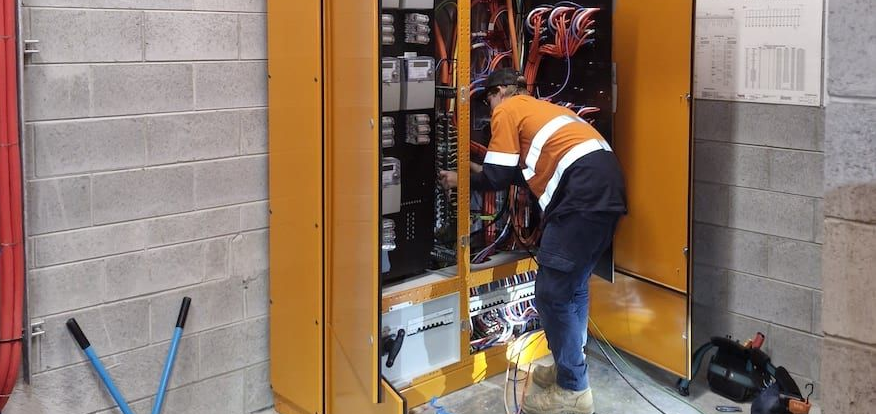
Industrial switchboards are the heart of large, powered spaces like factories, warehouses, and major commercial buildings.
They control how electricity moves, split circuit loads, and make sure everything runs safely. When they're out of date, they can’t keep pace with growing demand.
That’s why industrial switchboard upgrades are often needed when systems start working harder, especially during winter. By July, many businesses lean on higher lighting loads, longer run times, and extra heating. These changes can push old boards to their limits.
If your site has been around for a while, chances are the switchboard isn’t handling things like garden lighting, sports field lights, or ceiling fans as smoothly as it could. An upgrade keeps everything running without flickers or faults. Here’s what usually happens during this kind of job.
Why Upgrade an Industrial Switchboard?
There are a few signs that an upgrade might be coming up. You might notice:
• RCDs tripping for no clear reason
• Circuits blowing when fans or lights are running for too long
• Lots of patch-up jobs or wires that look out of place
These are early warnings that your setup isn’t coping with what it’s expected to power today. Older boards were never built to handle this much demand, especially not with all the added tech, timers, and automatic lighting now being used.
Systems like security or sensor lights, commercial garden lighting, and ceiling fans often get added over time. Without proper space and planning, these layers build more strain. We often find that circuits have been stacked too tightly or are powering separate areas on the same line, which raises the risk of overload.
An upgrade isn’t just about keeping the lights on. It’s about safety. A modern switchboard with separate circuits and quality protection helps avoid overheating, short circuits, and fire risk. Plus, it keeps your lighting and equipment working when you actually need it.
What Happens Before the Upgrade?
Before anything is replaced, we take a clear look at how your system is behaving. Pre-upgrade inspections are key, and we use a few tools to help make that picture clearer.
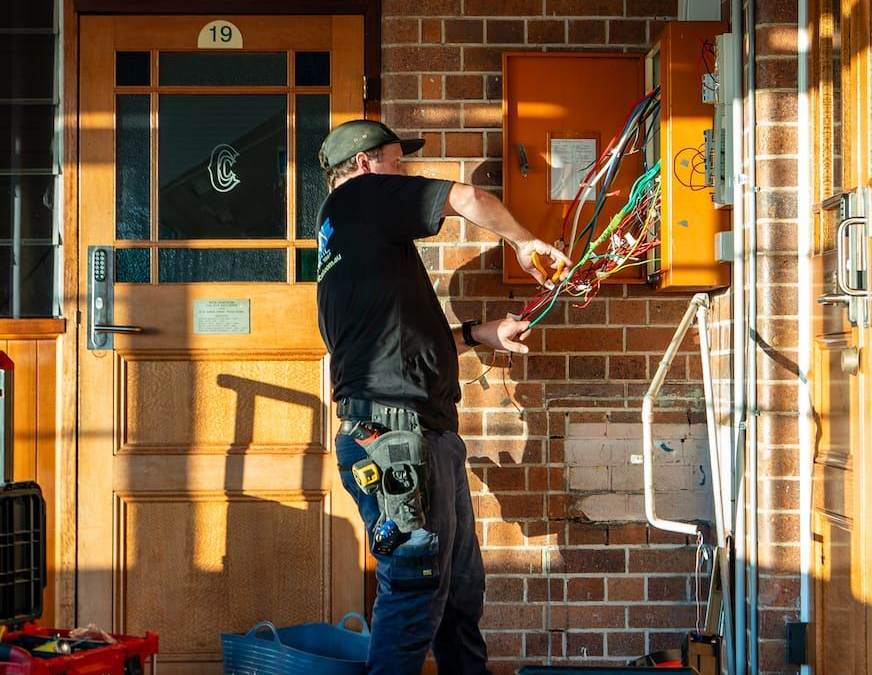
Thermal imaging is one of them. It shows hotspots where circuits are running hot or where wires aren’t staying cool under pressure. Those heated spots often point to weak connections or overloaded runs.
Routine checks like RCD push tests and visual inspections of switchboards help us get a feel for how things are tracking. We also check timers, fans, external lighting, and high-use areas like sports fields to see what’s pulling the most power and when.
Even garden lighting can become a load problem in winter when the sun sets early, and paths or signage run lights all evening. Catching signs like loose cable connections or tired breakers early helps us plan the upgrade in a way that reduces shutdowns.
The Upgrade Process: Step by Step
Switchboard upgrades are done with care so you’re not left without power longer than needed. We usually start by working out how to stagger power shutoffs across different system areas, so some parts stay on while others are worked on.
• Once safe, the old board and fittings are removed.
• Wiring is reconnected, and new RCDs or breakers are matched to each circuit’s load.
If we spot certain areas drawing more than usual, like outdoor sensor lights or fans on long runs, those are rerouted. We may also split up systems. For example, lighting for sports fields may get its own breaker instead of sharing one with internal lighting or landscaping.
Every setup is reviewed with its seasonal use in mind. Winter demands might be different from summer behaviour, so we pick the layout that works best for the year-round needs of the site.
What Gets Added or Improved?
An upgraded switchboard is more than just new fuses or a tidier look. It handles daily power use more smoothly and gives us more control over when and how systems run.
We’ll often add:
• Install timers, where possible, to run during daylight hours to maximise the benefits of solar systems.
• Extra RCDs so each circuit has its own protection, rather than doubling up
• Separate paths for garden lighting, AC units, fans, and external security lights
When we spread these out across the board, there’s less chance of one fault pulling everything down.
Winter means things like sensor lighting, heating, and fans may run longer into the night. That combo can heat up older wires fast. A stronger board with clean connections helps these devices run cooler and more reliably.
We also keep future solar planning in mind. Even if you don’t have panels today, splitting up circuits and adding timers now will make it easier to adjust later.
Testing and Follow-Up After the Upgrade
After everything is installed, we test each part of the setup to make sure it’s working as expected. We check wiring stability, make sure breakers react when pushed, and monitor voltage across lighting loads. This is extra important in places like car parks, gardens, fields, and walkways where lots of lighting is often wired into just one area.
We test things like:
• Fans to see they’re balanced, clean, and drawing steady power
• Sensor lights over entries and rear access points
• Sports field lighting to confirm switches are working in cycles and not spiking the circuit
These follow-up tests aren’t just a one-time thing. They help us understand how the upgraded system is likely to perform across the rest of winter, and where maintenance may be needed in a few months.
Smooth Transitions for Safer Workspaces
Industrial switchboard upgrades aren’t just about swapping gear. They give workplaces a better way to manage growing electric loads through the cooler seasons. When lights are on for longer and everything runs a little harder, safe, strong circuits make a real difference.
With upgraded boards, lighting stays smooth, fans run without hiccups, and overhead loads stay cooler. It’s a quieter kind of safety, one that you’ll notice more in what doesn’t go wrong. When the work’s done right, systems just keep going, no matter how much time they spend powered on. Planning ahead prevents the panic later.
Upgrading your industrial switchboard is the first step toward a safer, more efficient workspace. If your business is experiencing interruptions or outdated systems, it may be time to consider a full review of your setup. Heat On Electrical specializes in
switchboard upgrades in Brisbane that are designed to meet today's energy demands with smarter, safer solutions. Let us help you prepare your infrastructure for the seasons ahead.
You might also like