Keeping commercial lighting compliant in Queensland helps prevent disruptions, keep buildings safe, and reduce avoidable faults.
With winter starting in early June, we know lighting works harder in many places across Brisbane. Morning setups begin in darkness, and evening hours stretch well past sundown, especially in spaces like sports fields and shared areas.
This means lighting systems across shops, schools, offices, and public spaces are under more pressure. And with that added use, it's about more than switching lights on and off. Regular checks, smart upgrades, and stronger monitoring through commercial electrical services offer peace of mind before small issues turn into big ones.
We’ve broken down the most common lighting challenges in winter and the steps that help keep your setup working without a hitch.
Understanding Queensland Lighting Compliance
Queensland has its own set of rules when it comes to staying compliant with commercial lighting. These aren’t just guidelines to tick off a list. They help us make sure lighting systems are safe, reliable, and aligned with local conditions.
Here's what lighting compliance usually covers in our region:
• Confirming fixtures and circuits meet safety standards under Queensland regulations
• Ensuring external lights, such as floodlights or sensor lights, are wired correctly to avoid overload
• Switching check-ups and controls that match changes in daylight hours, especially during winter
Unlike other areas that may have different weather patterns or system requirements, Queensland’s heat and seasonal storms can impact how lighting components age or respond. That’s why scheduled maintenance matters. A system that’s compliant on paper might still need cleaning, rewiring, or testing to keep up with demand as the weather shifts.
Beyond ticking boxes, compliance protects people. It helps reduce fire risk, supports emergency access, and maintains visibility in workplaces and outdoor public areas. Getting ahead of these changes during the start of winter helps keep everything in line before the season reaches peak usage.
Lighting That Needs Extra Attention in Early Winter
Certain lighting types tend to wear quicker when used for longer hours. That’s especially true in June when daylight fades just after school and work lets out. Longer evenings stretch outdoor usage, and early mornings bring added use to shops, cafes, and warehouses.
A few setups often need more attention:
• Sports field or playground lighting that kicks in while kids or teams finish up their sessions
• Sensor and security lighting that now runs from late afternoon through early morning
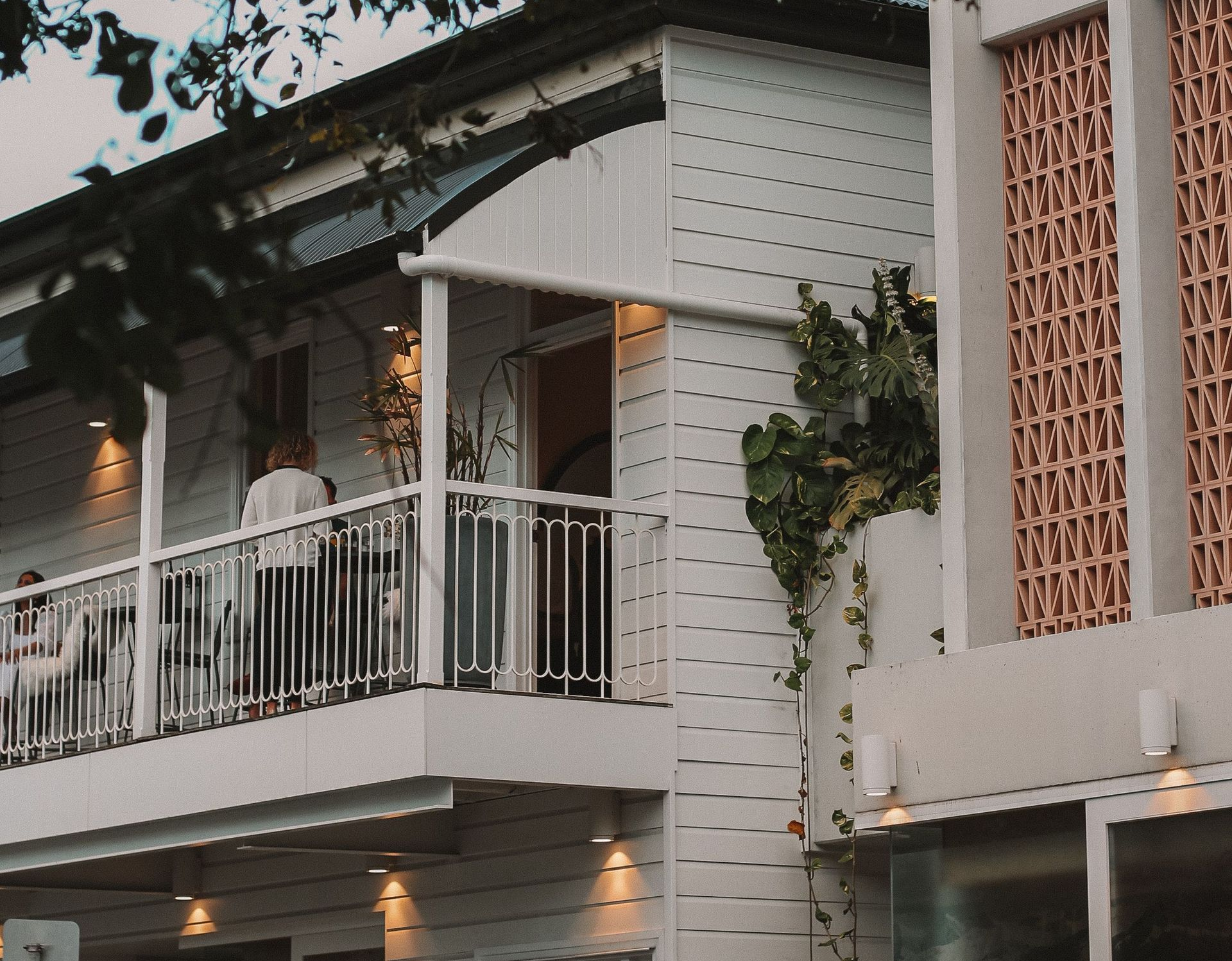
• Garden lighting used in commercial spaces or shared complexes that need path visibility for tenants or staff
Even ceiling fans need checking. These often run alongside outdoor lighting in cafes or outdoor seating areas. If they’re dirty or unbalanced, they may draw more power and struggle to run efficiently.
Brisbane’s winter isn’t as harsh as in other parts of Australia, but usage patterns change all the same. Common-use areas like walkways, building entries, or shared garages often rely on automated lighting. That means lighting setups might be working longer without anyone really noticing, making simple faults hard to catch without proper checks.
Routine Maintenance That Keeps Things Running Smoothly
Staying on top of regular maintenance keeps lighting circuits working well and helps avoid unexpected breakdowns. As more systems share connections or timers, a fault in one place can affect more than just a single light.
Here’s what we normally include during winter maintenance:
• RCD testing to check circuit protection from only a flick of the switch
• Cleaning air filters near fans to improve airflow and reduce load on shared systems
• Thermal imaging to spot early heat build-up or loose connections before they fail
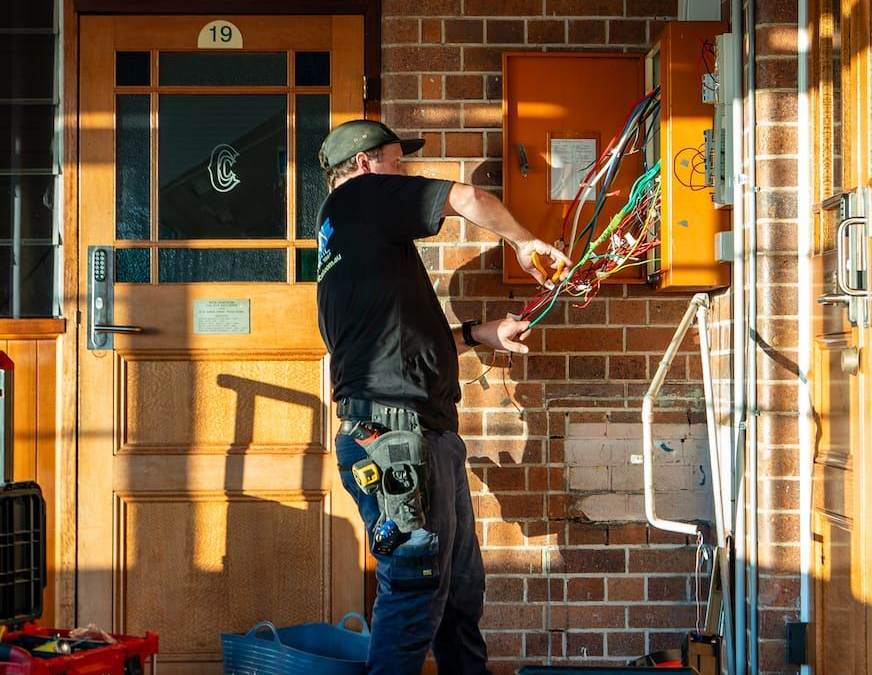
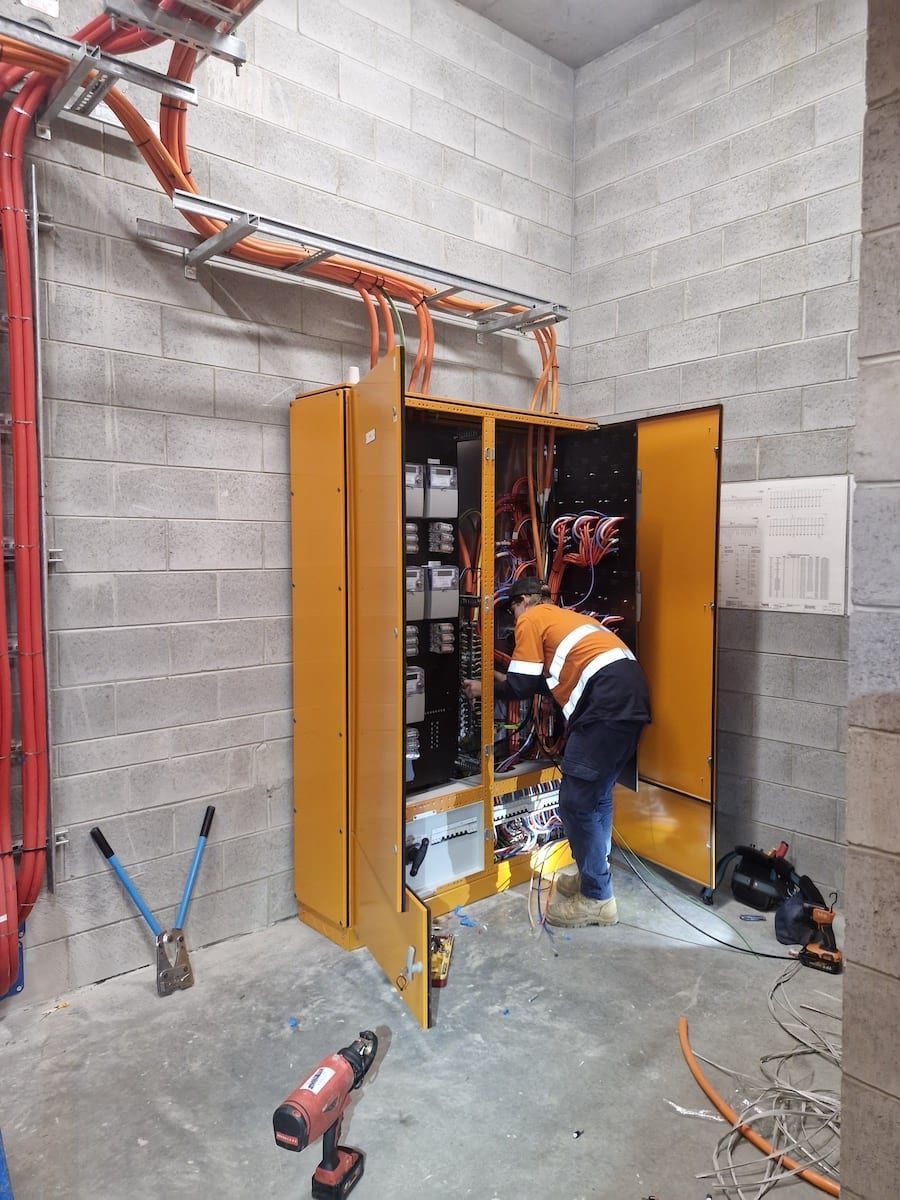
Thermal imaging is a simple way to find problem spots that haven’t caused trouble yet. We scan switchboards, power boxes, and high-use fittings to check for warm spots. These are often signs the system’s working harder than it should or heading toward a fault.
These checks only take a short time, but they support a bigger goal: long-term system health. When lights, fans, and circuits run for longer hours during winter, catching wear early gives us time to fix things safely and properly.
Smart Add-ons That Improve Function and Compliance
Adding simple upgrades to lighting systems helps prevent overuse, reduce running costs, and support compliance. These upgrades can step in before faults appear, especially in higher-use setups.
We often suggest these smart fixes during early winter:
• Timers installed to turn lights on during solar hours or avoid leaving everything running overnight
• Motion sensors added to garden paths or building sides for better awareness and lower static draw
• Breaking lighting into separate circuits, especially on sports fields or shared landscapes, so faults in one section don’t shut everything down
Timely upgrades mean lights follow actual usage, not just set hours. A timer for the front of a shop that turns lights on as daylight fades and back off early enough after closing makes life easier and helps skip manual resets.
Adding motion sensors brings an extra way to reduce load. We often see these work well in carparks, along garden paths, or around bins and back gates where people come and go but don’t stay.
When circuits are split properly, maintenance becomes easier too. Faults are quicker to find, easier to fix, and don’t bring an entire system down at once.
Working with the Right Commercial Electrical Services Team
Lighting rules and conditions change, which is why experience matters. When you work with commercial electrical services that know local needs, you get more than just fast fixes. You get help planning for seasonal shifts and changes in usage before they cause trouble.
This support often includes:
• Staying up to date with changes to Queensland safety standards and equipment approvals
• Scheduling checks around usage ramps, like extra lighting for winter hours or event setups
• Keeping records of faults, fixes, and improvements so everything stays traceable and compliant
Having a reliable electrician isn’t just helpful for handling repairs. It’s better for planning, too. If you’ve added seating outside or extra signage that needs lighting, knowing your electrical use today makes mapping future upgrades easier.
We’ve seen how good habits with lighting control and circuit upkeep save stress during busier winter periods. Shared spaces like schools and sports clubs often benefit the most from these checks, especially when uses shift quickly from indoor to outdoor, or from bright days to early-night functions.
Keep Lighting Safe, Legal, and Stress-Free
As June settles in, lighting systems across commercial spaces feel the change first. It’s not always about more gear, but smarter setups that match real use. From sports lights running longer to garden paths that need extra visibility, winter sets a clear pattern across Brisbane.
Staying compliant, safe, and ready isn’t about sweeping changes. It’s about regular checks, smart circuit layouts, and the right gear in the right places. With the help of commercial electrical services, keeping things lit through winter doesn’t need to be a hassle. It just needs a little planning, routine care, and the right support at the right time.
Businesses that rely on lighting throughout late evenings and early mornings know that winter is the perfect opportunity to ensure everything is running safely and efficiently. From sports fields to security lighting, our emphasis on clean circuits, reliable fittings, and smarter systems keeps your operations running smoothly during workload shifts. You can read more about how we support these upgrades and checks through our
commercial electrical services. For support with your lighting setup or to discuss what works best in winter, contact Heat On Electrical today.
You might also like