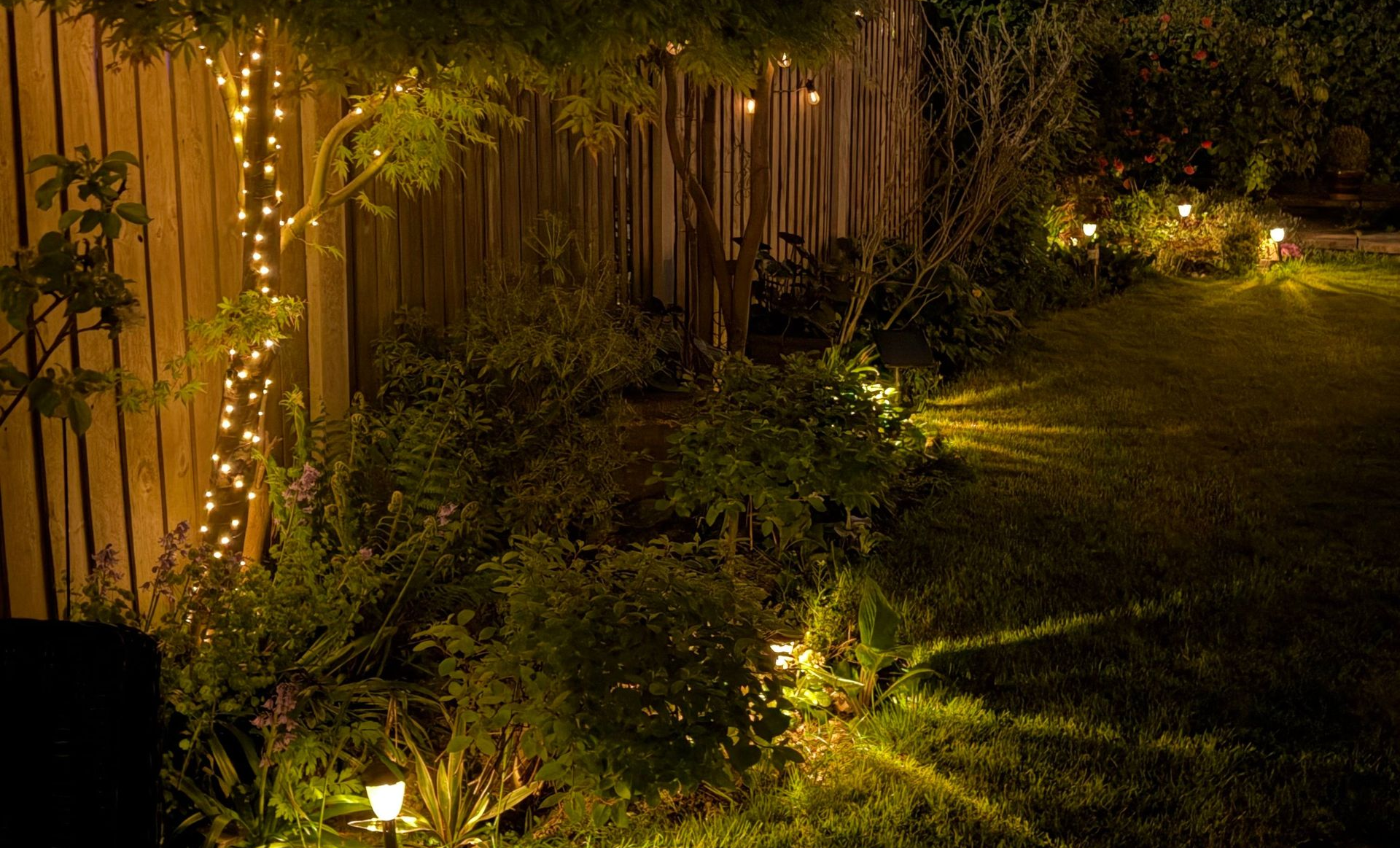
As winter starts to settle in, garden lighting ends up working harder than usual.
With the sun going down earlier and mornings staying darker for longer, our outdoor lights are on more often, sometimes without us even noticing. By the time we think to check them, small issues might already be slowing things down.
There are a few simple landscape lighting maintenance tips that can keep your setup working when it’s being used more often. Whether it’s lining driveways, lighting up garden paths, or helping with security near fences and back gates, outdoor lighting plays a bigger role during the colder months.
Knowing when it needs some attention can help avoid bigger problems later on. After servicing Brisbane for over three decades, we have seen how local conditions can quickly expose weaknesses in outdoor fittings and wiring.
Spotting the Signs of Wear and Tear
One of the easiest ways to keep garden lights working properly is by catching warning signs early. Most failures don’t happen suddenly. Instead, there are small changes to how the lights look, sound, or switch on.
Here’s what we usually keep an eye out for:
• Lights that flicker now and then could be showing signs of worn wiring or fittings that need replacing
• Discoloured bulbs or singed covers might mean lights are overheating or the airflow around the fixture isn’t clear
• Mismatched brightness levels or dim corners along garden paths could point to failing transformers or a sensor out of sync
These signs often show up first when winter hits. Longer run times and chilly mornings can test older systems or lights that haven’t been serviced in a while. If you spot changes like these, it’s worth getting them checked instead of letting them build up.
The Role of Timers and Sensors in Winter
When daylight shifts, automatic timers become even more important. Lights that once clicked on right at sundown might now turn on too late, and systems without timers could end up running all night.
We recommend checking these common problem areas:
• Timers that aren’t set to match current solar hours can keep lights running longer than needed
• Motion sensors may freeze or stall in cooler weather, leaving areas darker than intended, especially around garages or walkways
• Some lights may stay on through the entire night, often because sensors don’t reset properly or timers were never installed
Fixing this doesn’t mean starting from scratch. It can be as simple as adjusting the current schedule or doing a sensor test during the early evening. Keeping your system in sync with winter lighting patterns reduces waste and improves safety.
What Thermal Imaging Can Reveal
Some problems don’t show up right away. Even when garden lights look fine from the outside, wires and connections behind the scenes might tell a different story. This is where thermal imaging comes in.
We use thermal tools to scan garden circuits and fittings for spots that are hotter than expected. Early signs often include:
• Flickering caused by transformers running too warm or wiring becoming loose under load
• Cabling that heats up as the temperature drops, usually due to overuse or wear
• Underground or hidden areas where damage or corrosion has caused heat spikes that wouldn’t be detected by a basic check
Thermal imaging is especially helpful in spots with lots of cables sharing one path, like large gardens, sports fields, or camping areas. Spending just a bit of time on these checks helps find faults before they trip anything.
Routine Maintenance Beyond the Bulbs
Garden lighting shares power with other outdoor systems like ceiling fans, security lights, or garage switches. Fixing things doesn’t always mean replacing a bulb; a good check involves a few extra steps.
Our residential services include landscape lighting, lighting upgrades, switchboard inspections and tests, and all safety checks, such as RCD tests and fault finding, so garden lighting maintenance often sits alongside wider electrical work.
Here’s what routine winter maintenance usually includes:
• RCD testing to make sure circuits will switch off safely if something goes wrong
• Cleaning dirt and debris from around garden fixtures and fans to improve airflow and stop overheating
• Checking surface-mounted switches, power boards, and connections for cracks or moisture buildup
Most of these tasks are small but make a big difference over time. Well-kept garden fittings run longer and are less likely to affect other parts of your lighting system.
Fans might not seem connected, but when they share power or sit close to garden lighting zones (like outdoor dining areas), their poor performance can signal bigger issues in the electrical system. Clearing the blades and testing the balance also keeps them from pulling more load than needed.
When to Call in the Pros
Garden lighting isn’t always easy to review without the right tools or access. And as more features get added to outdoor spaces, like pools, walkways, or entertainment areas, small problems can spread fast if not caught in time.
There are a few good reasons to get it checked professionally:
• Busy or shared setups often leave some areas unchecked, like hidden side paths or long electrical runs
• Winter creates a heavier overlap between indoor and outdoor power use, so checks done at this time can prevent larger faults
• A short service visit can test things like cables, breaker function, and RCD operation, all in one go
Sometimes it’s not about lights failing, but about making smarter changes before the system strains. Seasonal changes are ideal for looking over the whole setup in one go, rather than waiting for something to stop working. As Gold Master Electricians with over 25 years of membership, we stay up to date with changes to electrical safety laws and requirements that affect Brisbane homes and gardens.
Keep Outdoor Lighting Safe and Clear All Season
Through winter, garden lighting carries more weight. It clicks on earlier, stays lit longer, and supports many areas we don’t always think about, such as driveways, bins, balconies, and more. That extra load can strain circuits if the lights haven’t been kept in good shape.
By paying attention to flickers, rechecking timers, and doing routine maintenance before the middle of winter, it’s easier to avoid faults and dark patches. The systems behind security lights, ceiling fans, and garden lamps all rely on clean, balanced power. Keeping them checked protects the full setup.
From front yards to shared parkland and even sports areas, the lights that stay on through winter matter more than we realise. A handful of tweaks now can keep things steady far into the season.
If your garden lights are working overtime this winter, it might be time to take a closer look at the system supporting them. Electrical components that power outdoor lighting often share loads with other areas of the home, which can create hidden issues.
A smart way to stay ahead is by considering a full
electrical switchboard replacement in Brisbane before older systems start to fail. The team at Heat On Electrical is ready to help you keep your setup safe, reliable and winter-ready.
You might also like