Renovating a Brisbane home before the heat and storms hit sounds exciting, but it can come with hidden electrical traps.
One of the biggest is smoke alarm services. Many people plan for new lights, fresh power points and a nice new kitchen, then leave smoke alarms to the last minute or keep whatever is already on the ceiling.
That choice can lead to failed inspections, delays in handover and extra work that has to be rushed in at the end. Queensland Smoke Alarm rules have changed, and the deadlines keep moving closer, especially for anyone hoping to rent or sell. When alarms are planned properly from the start, they can be safer, neater and much easier to live with. Our team at Heat On Electrical sees this every week across Brisbane.
Are Your Renovation Plans Actually Legal in QLD?
Many renovation plans look fine on paper but do not match Queensland smoke alarm laws once walls move and rooms change use. Certain renovation choices can trigger new smoke alarm requirements, including:
• Turning a study, media room or rumpus into a bedroom
• Adding or changing a storey, especially in high-set homes
• Moving bedroom doors or hallways so the path from beds to exits changes
• Creating self-contained spaces that might be rented later
When changes like these happen, it often isn’t enough to just keep a single old alarm in the hallway. You can be required to install hardwired, interconnected photoelectric smoke alarms in specific locations. These locations can include:
• In every bedroom
• In hallways that connect bedrooms to the rest of the home
• On each storey of the home, even if there are no bedrooms
It is also worth noting that old advice from interstate blogs, renovation forums or older plans might not match Queensland law or what your certifier expects. If you rely on outdated guidance, it can lead to building approval delays, extra electrical work once plaster is already finished, and disputes with buyers or tenants about compliance.
Planning smoke alarm services early with a qualified electrician helps line up your drawings, approvals and final inspections so everyone is working to the same rules.
Are You Putting New Walls Where Smoke Alarms Cannot Work?
Renovations often change the way smoke moves through a home. Features that look great can accidentally block smoke from reaching alarms quickly, and we see several common causes in Brisbane renovations:
• New walk-in robes added between a bedroom and hallway
• Ensuite walls that trap smoke in corners
• Bulkheads for ducted AC or feature ceilings that create pockets of still air
• Skylights, fans or AC outlets directing air away from an alarm
If the alarm location is copied from the old plan, it may end up too close to a corner, fan or air outlet once the new layout goes in. This is especially risky in Queensland homes that already deal with heat, humidity and lots of ceiling fans, because airflow patterns can prevent smoke from reaching the alarm quickly.
Standards like AS 3786 and alarm manufacturer instructions give clear rules about where alarms should sit. They include minimum distances from:
• Corners and junctions of walls and ceilings
• Ceiling fans and AC vents
• Bathrooms and kitchens where steam and cooking fumes are common
Many DIY renovators simply are not aware of these details, which is why early involvement makes a big difference. When we are involved early, we can:
• Review your renovation drawings
• Mark compliant alarm spots on the plan
• Coordinate wiring, cut-outs and painting with your builder
That way, alarms end up in the right place the first time, and you avoid ugly patches or last-minute changes.
Are You Still Choosing Smoke Alarms Like It Is 1995?
Old ionisation smoke alarms used to be standard, but current Queensland rules focus on photoelectric alarms. They generally respond better to smouldering fires and tend to be less annoying near kitchens when sized and placed correctly.
Simply replacing an old ionisation alarm with the same type can create avoidable headaches. It can lead to failing compliance checks, more false alarms with everyday cooking, and mismatched alarms that do not interconnect properly.
During renovations, people usually compare three main power options:
• Battery-only alarms
• Sealed 10-year lithium alarms
• Mains-powered alarms with battery backup
In many Brisbane renovations, especially where walls and ceilings are already open, mains-powered interconnected alarms are the smarter choice. They can be wired while other electrical work happens, set up to talk to each other and backed up with batteries for storm-related power outages.
Professional smoke alarm services help you design a system that suits Queensland conditions and your household needs, including:
• Queensland humidity and heat
• The way your family sleeps and moves through the home
• Future plans to rent out or sell the property
Who Is Checking Your Switchboard and Power When You Upgrade?
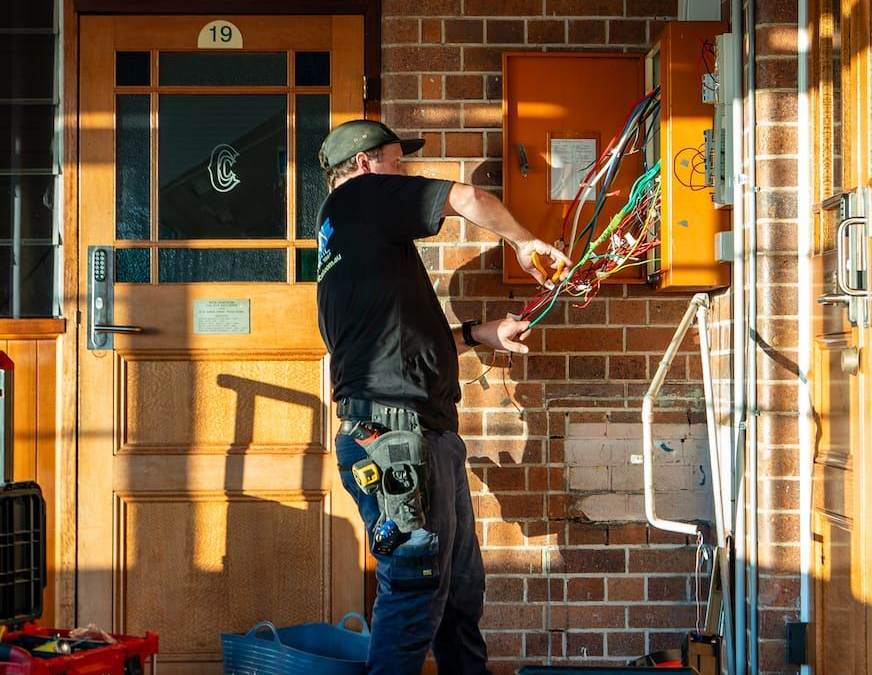
Interconnected smoke alarms do not just sit on their own; they rely on safe power and a sound switchboard. In Brisbane renovations, we often find underlying issues that people do not notice until late in the project, such as:
• Old switchboards with asbestos backing that should not be touched without care
• A mix of very old and newer wiring patched together
• No spare spaces to add new circuits
• DIY add-ons that do not meet current standards
Because of those realities, adding or upgrading smoke alarms can also mean upgrading the electrical supply that supports them. You may need:
• Extra circuits
• RCDs (safety switches) for better protection
• Checks that the switchboard can safely handle new loads
If these issues are missed, you can end up with a beautiful new kitchen or bathroom sitting on top of a switchboard that is unsafe. That affects not just your new alarms but the whole electrical system.
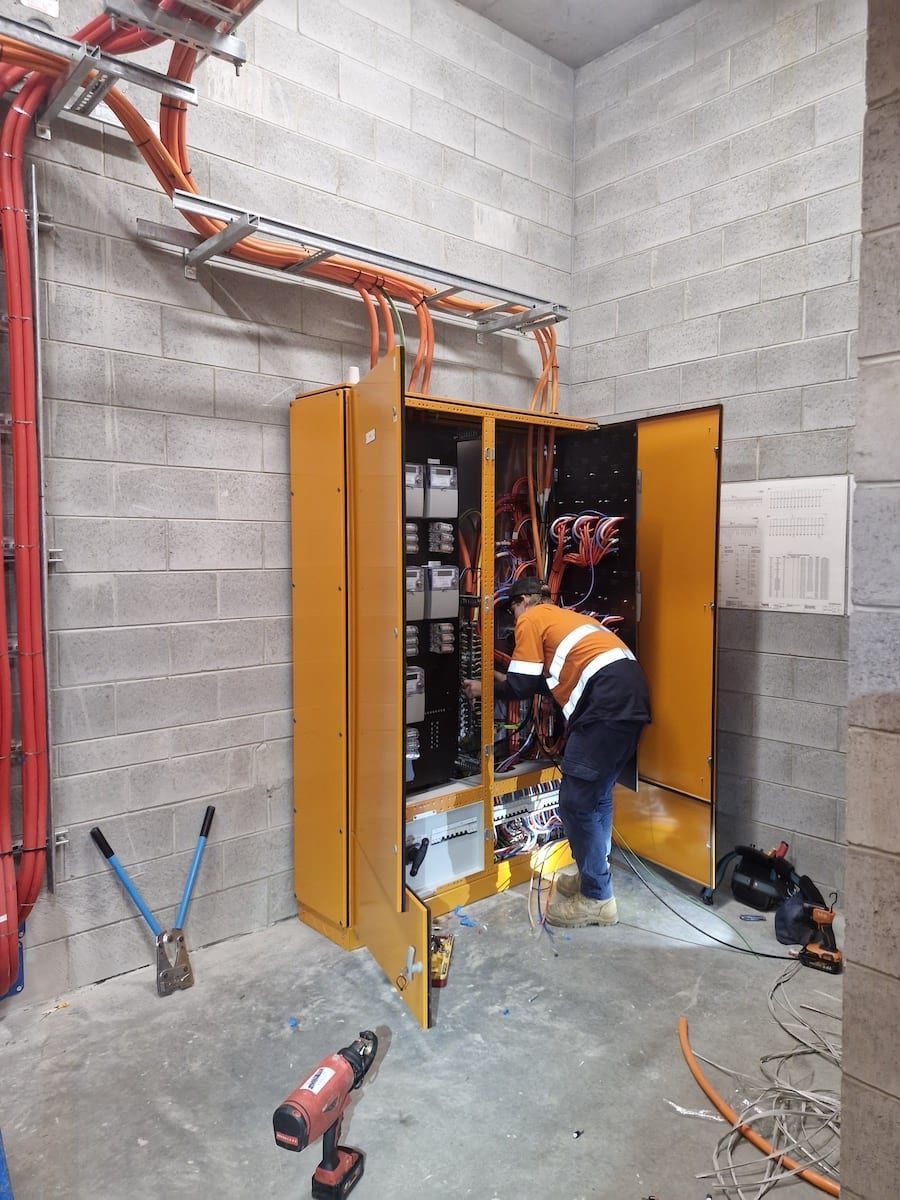
At Heat On Electrical, our team has specialist experience with switchboard upgrades, and we can:
• Replace old boards with modern units
• Clearly label circuits so alarms and other loads are easy to find
• Make sure your alarms have reliable power and backup
This helps keep your renovation safe from the meter box right through to every bedroom.
How Will You Keep Your New Smoke Alarms Working?
Many renovators assume that once the new alarms go in, the job is finished. In reality, building work can reduce the life of your alarms if they are not protected and checked before handover. Dust from sanding, plastering and cutting can clog sensors, and paint overspray can block vents and stop alarms from working correctly.
A good smoke alarm service at the end of the project should include:
• Cleaning alarms after all dusty work and painting is done
• Testing each alarm with the test button
• Checking that interconnection works from any point in the system
• Confirming locations and labelling for future maintenance
After you move back in, ongoing performance comes down to simple, consistent habits:
• Pressing the test button once a month
• Gently vacuuming or wiping alarms once a year
• Replacing alarms every 10 years in line with standards
Heat On Electrical supports Brisbane households long term by offering system checks, reminder advice and maintenance plans. This is especially helpful before storm season, when power outages and surge events are more common and you want to know your alarms are ready.
Keep Your Home Safe With Expert Smoke Alarm Protection
If you are unsure whether your alarms are compliant or working properly, we can assess, install and maintain everything for you. Explore our professional
smoke alarm services to make sure your home and family are protected around the clock. Ready to book or have a question about your current setup? Simply
contact us and the team at Heat On Electrical will help you plan the safest solution for your property.
You might also like