Is Your Old Brisbane Home Hiding Electrical Dangers?
Older Brisbane homes have a special charm. Queenslanders on stumps, weatherboard post-war cottages, and solid 70s- or 80s-era brick homes all have their own style and history. The thing they all share is age, and many were wired long before anyone thought about air conditioning in every room, induction cooking, or charging an electric vehicle at home.
When we add modern appliances to old wiring and old switchboards, safety problems can creep in quietly. A new oven, split-system AC, high-capacity dryer, or EV charger can push old circuits past what they were ever meant to handle. That is when you start to see warning signs like breakers tripping, warm or discoloured powerpoints, buzzing sounds, and lights that dim or flicker when big appliances start up.
These small signs are easy to ignore, but they often point to unsafe appliance installation and tired electrical gear. As local electricians working across Brisbane, we want homeowners to enjoy their older homes without worrying about what is happening in the walls and roof. With the right checks and upgrades, it is possible to keep the character and still be safe and comfortable.
Why Older Brisbane Wiring Struggles with Modern Loads
When many Brisbane homes were built, life looked very different. A typical house might have had one small heater, a few lights, a single TV, and maybe a basic electric oven. Electrical standards have changed a lot since then, and so has the amount of power we use every day.
Common issues we see in older homes include:
• Circuits that are too small for modern appliances
• Older wiring types, like aluminium or cloth-covered cables
• No safety switches protecting some or all circuits
• Very few powerpoints in each room
When there are not enough powerpoints, people often rely on powerboards and double adaptors. This can pull a lot of power through a single outlet for long periods, which can lead to overheating, loose connections, and damage to plugs and sockets.
Seasonal use makes things even harder on old wiring. In cooler weather, there is extra load from:
• Portable heaters
• Clothes dryers running more often
• Heated towel rails and heat lamps
These devices draw a lot of current and may run for hours. Even if everything has seemed fine for years, hidden damage can build up slowly. Rodents can chew insulation, heat can make cable insulation brittle, and old DIY work can leave joints loose or poorly protected. Add a new appliance on top of that, and a circuit that was just coping can suddenly become unsafe.
Hidden Risks When You Add New Appliances to Old Circuits
Many people think appliance installation is as simple as plugging a new unit in or swapping an old one out. In an older Brisbane home, that approach can be risky. A few common examples are:
• Putting a new oven on an old circuit that was sized for a smaller load
• Adding a split-system AC to an already busy circuit that feeds lights and powerpoints
• Upgrading to an induction cooktop without checking cable size and protection
• Installing a high-capacity dryer in a laundry that already runs a washer and extra heaters
The main hazards in these situations include:
• Overloaded circuits that run near or above their safe rating
• Cables in walls and ceilings getting hot while still looking normal from the outside
• Arcing in old powerpoints and switches due to loose or worn contacts
• Higher fire risk when high loads run for long periods on tired cabling
There is a big difference between simply plugging in a new appliance and having it installed in a way that matches current standards. A compliant appliance installation looks at:
• The total load on the circuit
• The need for a dedicated circuit for large appliances
• Correct cable size and protective devices
• The condition of the existing wiring and switchboard
Many appliances are bought on special toward the end of winter or going into warmer months. Heaters, dryers, dishwashers, and air purifiers often get added to whatever outlet is handy, with no check of whether the circuit can safely handle the extra work. That is when problems tend to show up.
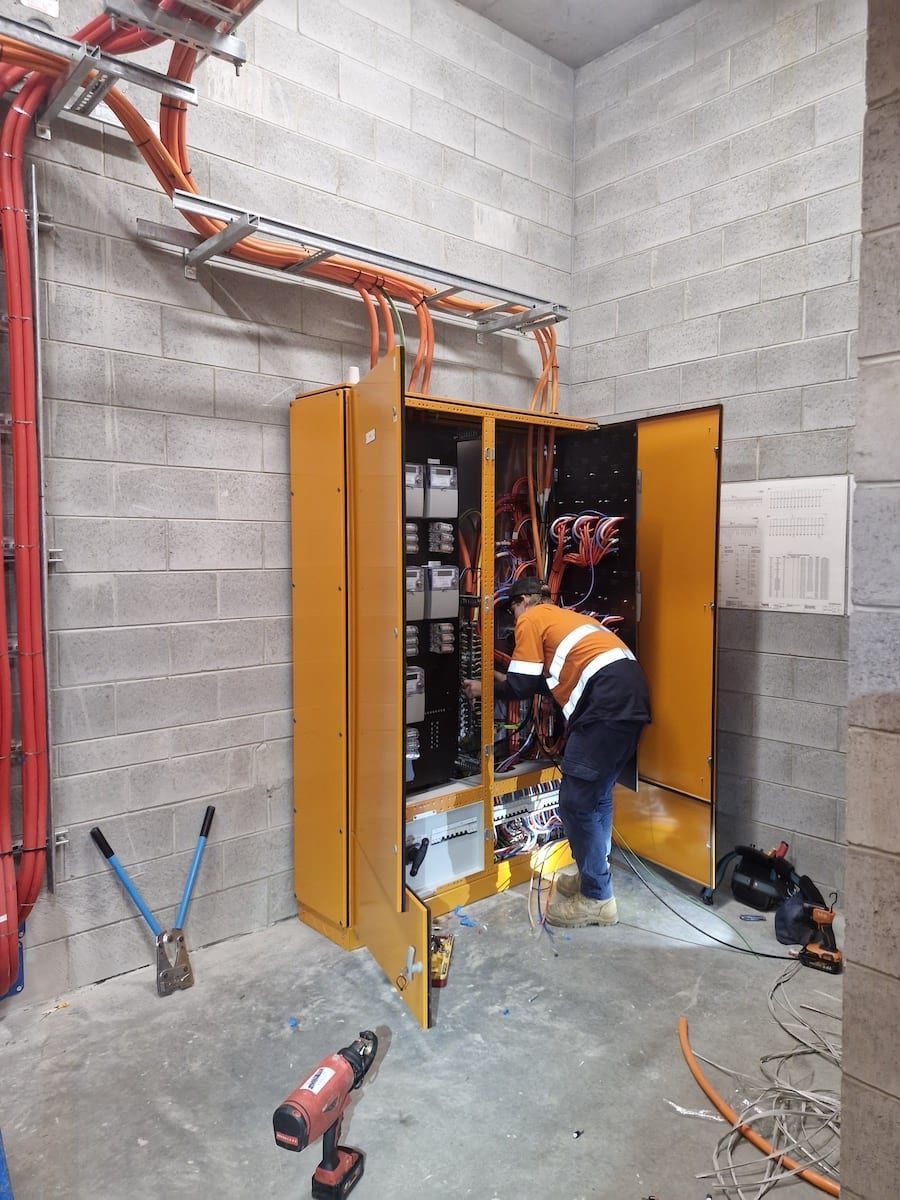
Switchboard Upgrades That Protect Your Family and Home
The switchboard is the heart of your electrical system. In a modern home, it should:
• Have safety switches on all circuits
• Use circuit breakers instead of ceramic fuses
• Be clearly labelled so faults are easy to track
• Have room to add new circuits for future appliances
Older Brisbane homes often still run on outdated switchboards. When you try to run an electric oven, multiple split-system AC units, a pool pump, and maybe an EV charger from an old board, you can get constant tripping or, worse, no tripping when there should be.
Upgrading the switchboard offers several safety and convenience benefits, including:
• Faster and more reliable fault detection
• Reduced fire risk from overloaded or damaged circuits
• Fewer nuisance trips caused by marginal wiring or shared circuits
• Proper support for renovations and new technology over time
For older homes, a switchboard upgrade is best treated as a step to take before loading up the house with more appliances. Waiting until a fuse blows, a breaker melts, or a burning smell appears means the system has already been pushed too far.
How to Make New Appliance Installs Safe in Older Homes
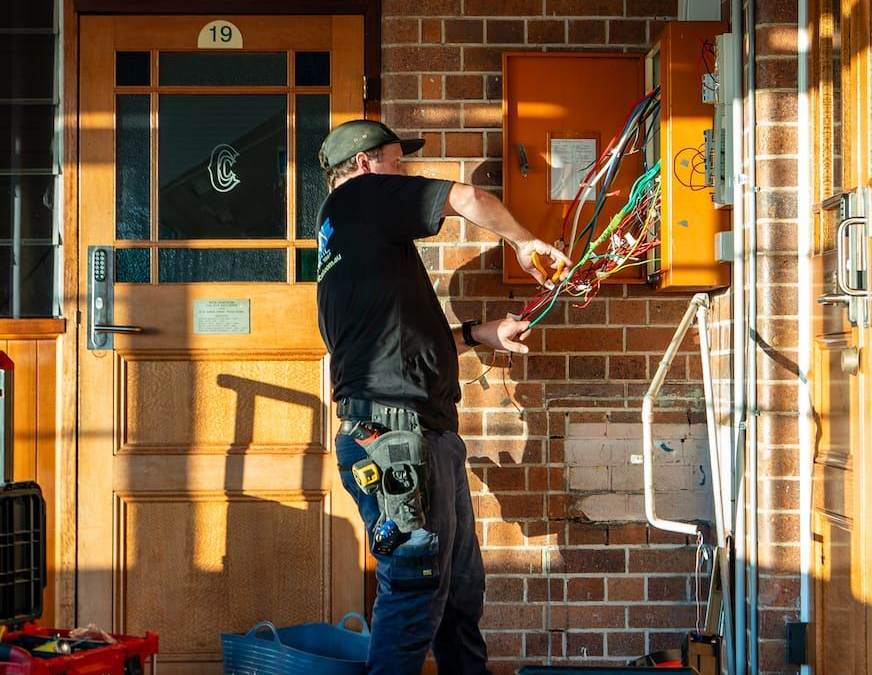
The safest way to add appliances in an older home is to follow a simple, planned process. A typical professional approach will include:
1. Initial inspection of wiring, powerpoints and switchboard
2. Load assessment to see what each circuit is already carrying
3. Circuit design to allow for new appliances, and future ones too
4. Installation of any new wiring, outlets or dedicated circuits needed
5. Final testing to confirm correct operation and protection
Before buying a new appliance, it helps to think about:
• The power rating of the unit and what else runs on that circuit
• Space on the switchboard for any extra circuit required
• Location of existing powerpoints and whether they are in good condition
• Ventilation, access and clearance needs around the appliance
In Queensland, there are many jobs that legally require a licensed electrician. These include:
• Installing or changing hard-wired appliances
• Adding new circuits or altering existing ones
• Any work inside walls, ceilings or roof spaces
• Any work on the switchboard
Older homes need extra care because the original wiring, and protection were set up under different standards. Working with an experienced electrician who understands legacy wiring types and how they age makes a big difference to safety and long-term reliability.
Book a Safety Check Before Your Next Appliance Upgrade
Big changes in appliance use often come in cycles. Colder months mean more heaters and dryers, while warmer months mean air conditioning, extra fridges and outdoor power use. Each new item adds to the load your older wiring has to carry.
Before bringing home the next big appliance, it is worth having a focused safety check of your existing wiring, switchboard and likely future plans. This kind of inspection can help protect your family and property, reduce the chance of damaging new appliances, and keep you in line with insurance and regulatory requirements.
Heat On Electrical is a family-owned Gold Master Electrician business based in Brisbane, and we work with older homes every day. We understand how to modernise electrical systems for safe appliance installation while still respecting the character and style that make these houses feel like home.
Get Started With Your Project Today
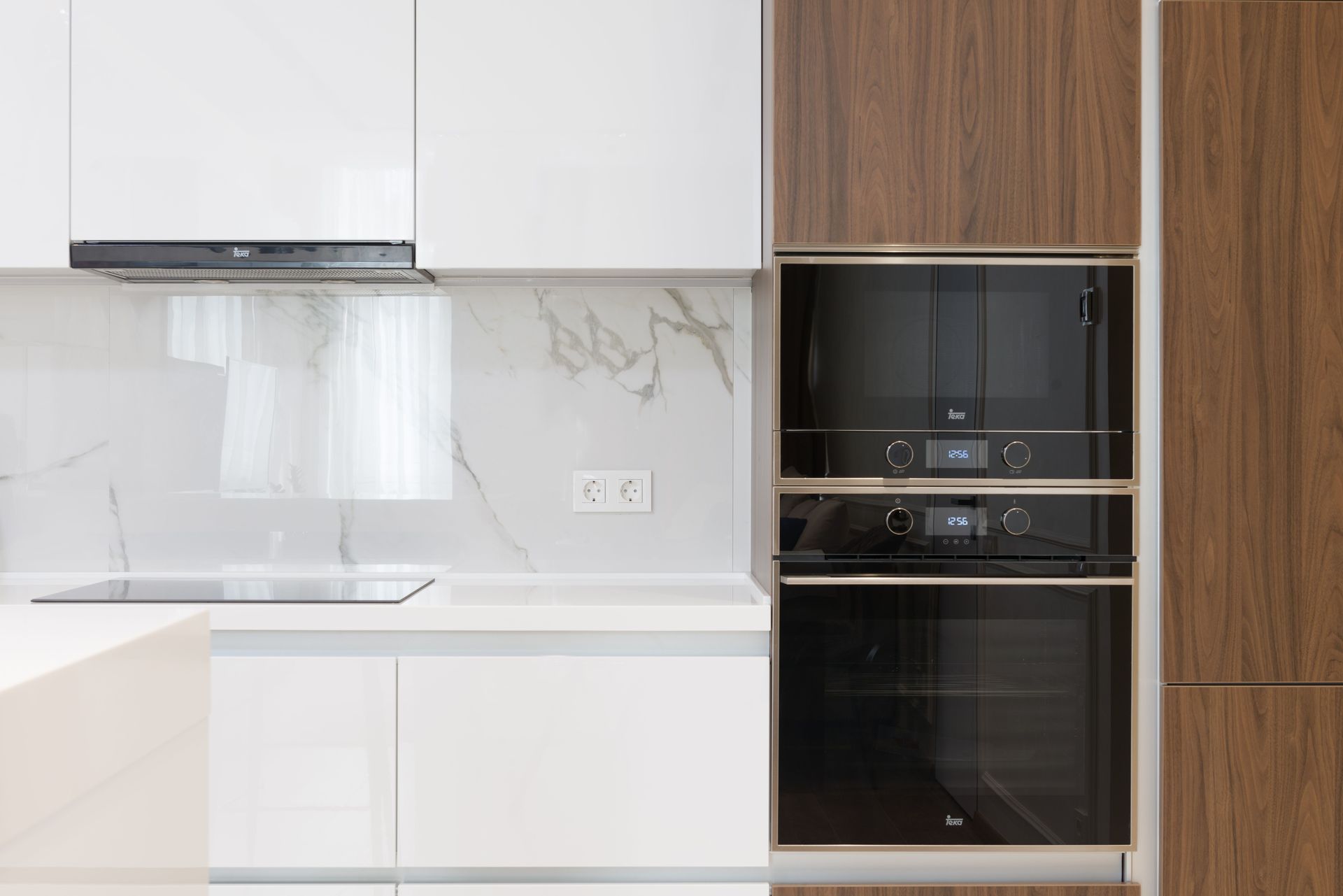
If you are planning new kitchen upgrades or replacing old whitegoods, our licensed team at Heat On Electrical can take care of every step of your
appliance installation. We work efficiently, cleanly and to Australian Standards so your home is safe and everything runs as it should. Tell us what you need and we will recommend the best approach, timing and budget. Ready to book in a job or ask a question? Simply
contact us and we will be in touch promptly.
You might also like