Build a CCTV Plan That Protects What Matters Most
A well-planned CCTV system can help you feel more confident about your Brisbane home, family and everyday routines. Rather than placing cameras wherever there is an open wall, we recommend starting with the areas you most want to keep in view.
Spring is a sensible time to review your home security before summer holidays, storm season and time away from home. As you walk around your property in daylight and again after dark, we suggest looking at access points, shadows, lighting, privacy boundaries and weather exposure. A clear plan helps you avoid blind spots and choose positions that make sense for your home.
Map Coverage Areas Before Choosing Camera Locations
Start by thinking about how people approach, enter and move around your property. Every home is different, so the best coverage areas will depend on your layout, fencing, driveway, street access and nearby homes.
For many Brisbane properties, priority areas may include:
• The front entry and paths leading to it
• The driveway, garage and parked vehicle areas
• Side gates or narrow access paths
• Rear doors, patios and outdoor entertaining areas
• Any boundary point that provides easy access to the home
From each possible camera position, consider what the view would actually capture. A camera aimed at a broad front yard may show general movement, but it may not give a clear view of someone at the door or gate. Focusing on key access areas often creates more useful coverage than trying to watch every corner of the block.
Obstructions matter too. Trees, awnings, wheelie bins, parked cars and garden growth can all change what is visible. We often recommend making a simple sketch of the property and marking the areas you would like covered. This gives you a practical starting point when discussing professional CCTV services with a qualified provider.
Balance Visible Security with Discreet Placement
Camera visibility is a personal choice. Clearly visible cameras can show that a property is monitored, while more discreet positions may better suit the look of your home. Neither approach is automatically better. The right choice depends on your street setting, the design of your exterior and what you want your CCTV plan to achieve.
Where possible, we suggest choosing positions that are high enough to reduce accidental damage or interference, but not so high that the camera view becomes less useful. A camera tucked too far under an eave, hidden behind a post or placed well above an entry point may miss the details you hoped to capture.
Try viewing each proposed location from the perspective of someone approaching your home. Look for anything that could block the line of sight, including:
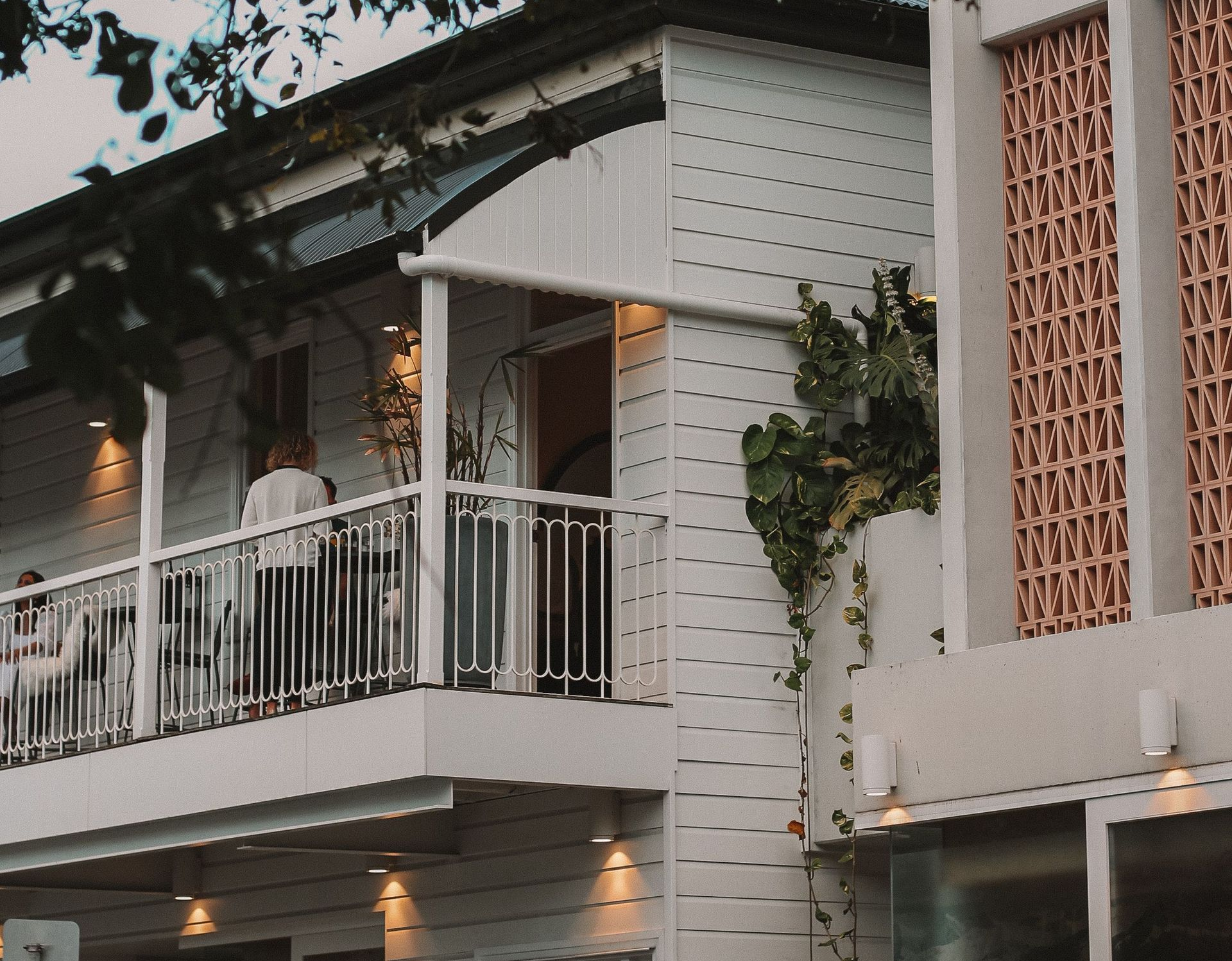
• Eaves, downpipes, posts and exterior screens
• Hanging plants, trees and climbing vines
• Outdoor decorations or furniture
• Gates that swing into the camera’s view
• New garden growth after the wet season
Brisbane gardens can grow quickly, so a clear view in spring may look very different later in the season. Keeping future plant growth in mind can save frustration down the track.
Respect Privacy Across Property Boundaries
A domestic CCTV plan should stay focused on your own property. We recommend prioritising your entries, gates, driveway, paths and outdoor areas without unnecessarily recording a neighbour’s windows, yard or private living spaces.
Extra care may be needed near side boundaries, shared driveways and closely spaced homes. Before settling on a position, stand where the camera would face and consider what sits beyond your fence line. If the view feels too broad or intrusive, changing the angle or choosing another location may create a better result.
Audio recording deserves particular care because privacy requirements can be more complicated than visual recording. If you are unsure about what is appropriate for your circumstances, seek current advice before making final decisions. A privacy-conscious plan can help maintain good relationships with neighbours while keeping your CCTV focused on its intended purpose.
Prepare CCTV Locations for Brisbane Conditions
Brisbane weather can be tough on exterior areas. Strong sun, humidity, heavy rain, wind and summer storms may affect visibility around your home, especially where water, glare or debris regularly build up.
When reviewing possible positions, we encourage you to look for a balance between a clear view and sensible shelter. Eaves, protected exterior walls and sheltered corners may be worth considering if they still allow the camera to face the right area. At the same time, avoid places where roof runoff, overhanging branches or loose debris could repeatedly block the view.
Lighting should be part of the review as well. Morning sun, afternoon glare, streetlights and outdoor lights can all change how an entry or driveway looks. Walking the property at different times can reveal reflections, deep shadows and dim spots that are easy to miss during a quick daytime check.
Professional CCTV services can help turn these observations into a practical placement plan. Our qualified team can provide high-level guidance that considers your property layout and Brisbane’s changing outdoor conditions.
Take the Next Step with a Smarter Placement Plan
Before making placement decisions, complete a simple walk-around assessment of your home. Note the areas you want covered, any possible obstructions, privacy boundaries and locations exposed to sun, rain or wind. Reviewing the property after dark is just as helpful as looking at it during the day.
The strongest CCTV plan is one shaped around your own home, not copied from another property. Thoughtful placement can give you clearer coverage of access points and activity areas while respecting neighbours and keeping the exterior of your home looking considered.
Clearer Coverage With Expert Guidance
Heat On Electrical can assess your Brisbane property and recommend
professional CCTV services suited to your security priorities. We’ll help identify practical camera positions, suitable equipment and installation considerations for a reliable system. Ready to discuss your requirements?
Contact us to arrange a consultation.
You might also like