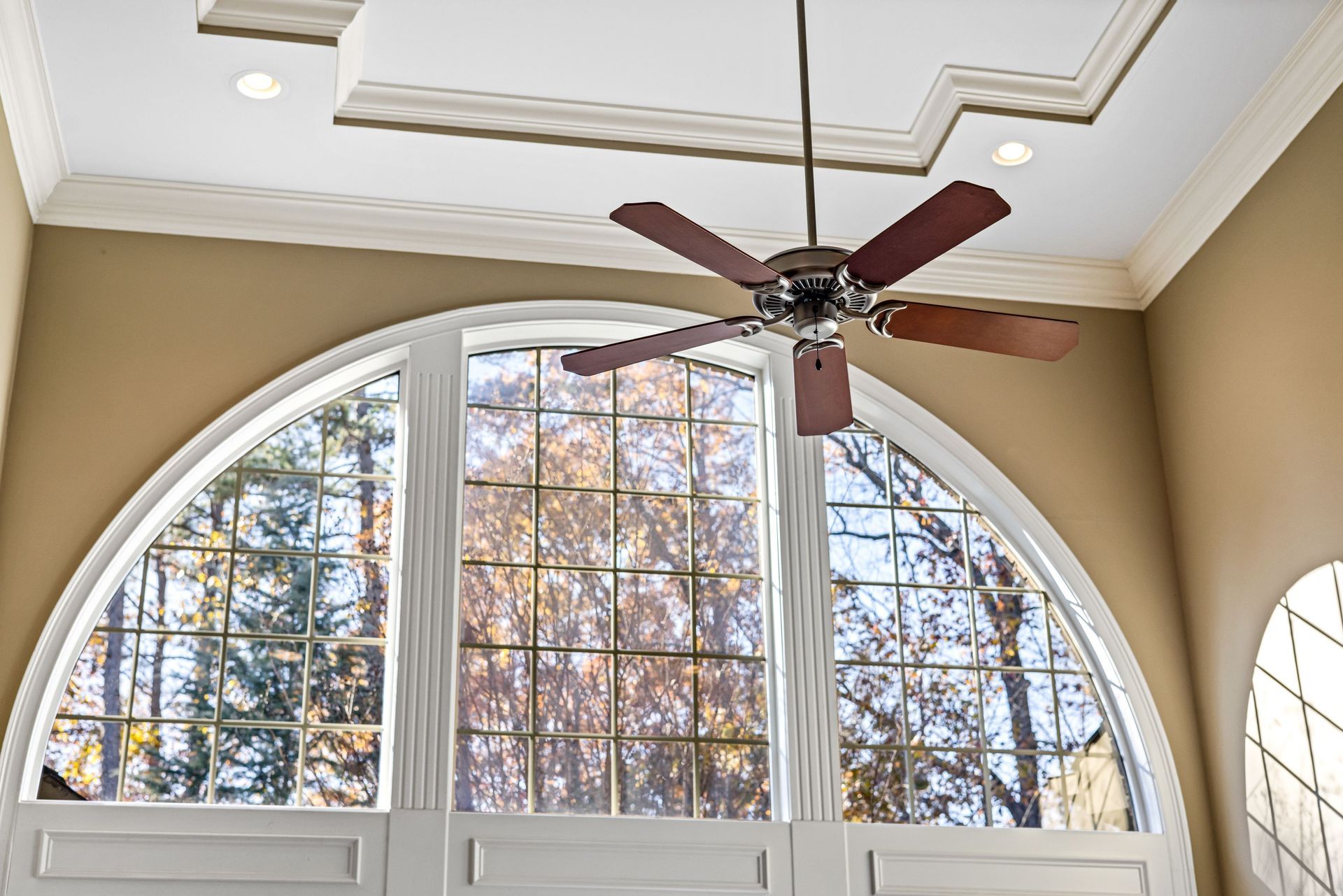
Ceiling fans are usually thought of as a way to keep cool, but they have got a second job when winter rolls in.
With colder mornings setting in across Brisbane, many homes are switching on heaters earlier and leaving them on longer. But there is a simple way to take the edge off without cranking the heater all day. When used the right way, ceiling fans can actually help warm up a space.
Whether we are talking about reversing fan direction, balancing blades, or checking ceiling fan wiring for high ceilings, a few small checks now can go a long way. It is not just about comfort either, it is about making smart use of the gear already in place and keeping it safe through the season. As a family-owned Brisbane business that has been servicing local homes since 1987, we have seen how a few simple fan checks each winter can prevent bigger electrical issues later.
Switch Your Fan to Winter Mode
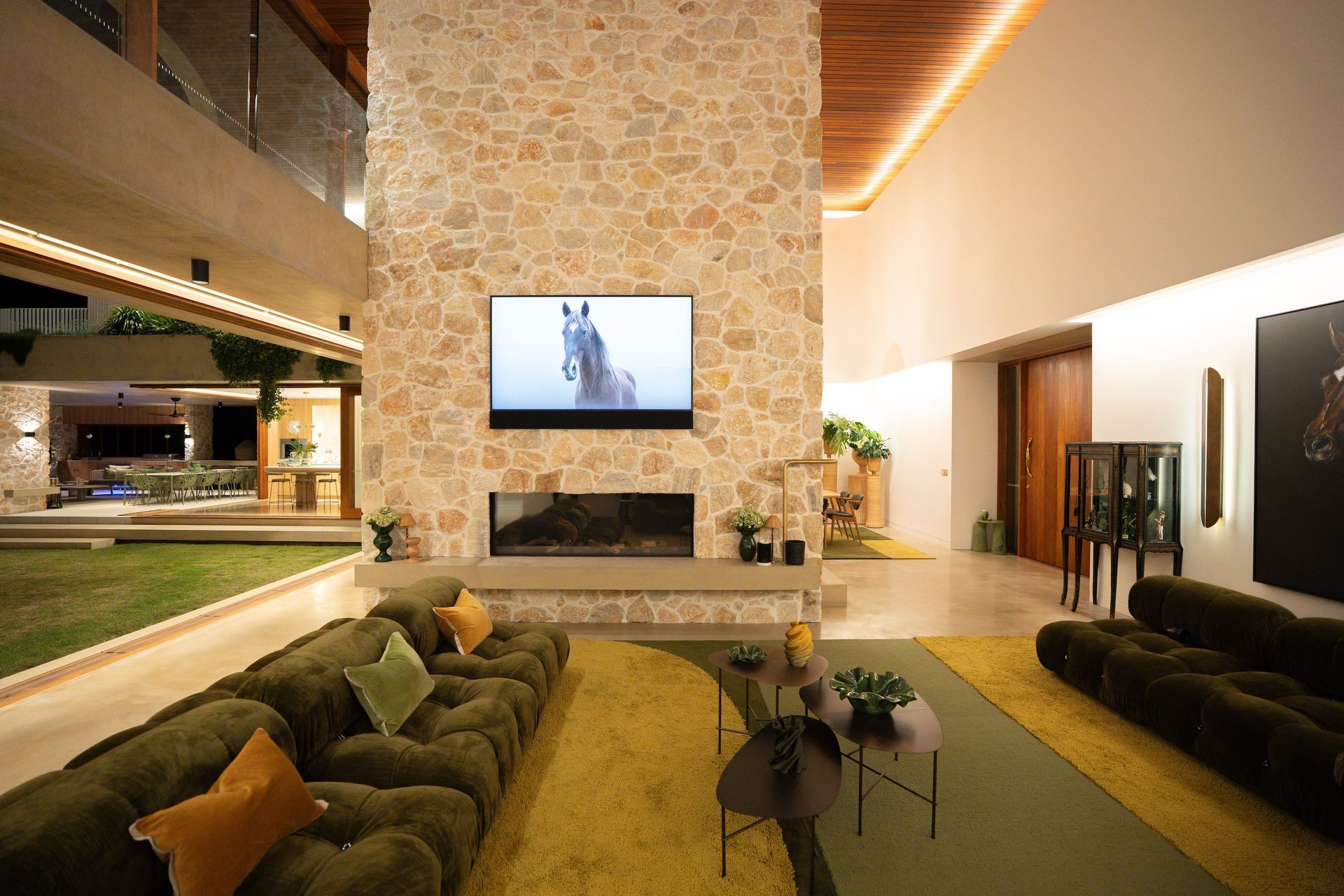
Ceiling fans can spin in two directions, and most people only ever use the summer setting. In winter, changing fan direction pulls cooler air up, which helps warm air near the ceiling spread out and back down. It is a quiet change that can give a room an even temperature without pushing the heater harder.
This tends to work best in bedrooms, lounge areas, or places that hold heat near the ceiling. Running the fan on a low setting in reverse means you keep that warmth working for you instead of letting it drift away.
In Brisbane, June is a good time to switch fan direction before the cool snaps settle in properly. A quick check and flip on the fan base or remote, and it is ready to help warm the space. Just remember to keep it running slow enough not to blow air around too much.
Clean Blades and Check Balance
Dust loves fan blades, and winter is when that buildup can do real damage. Dirty blades drag down airflow, which means the motor has to work harder than usual. That can shorten the life of the fan or cause strange sounds that make it unpleasant to keep on.
If you have got fans installed higher up, like in double-height spaces or entryways, overlook them and the dust adds up even faster. Giving them a clean before winter use goes a long way in keeping them efficient.
Here is what we usually look at before the fan starts running longer hours each day:
• Check that the blade screws are tight and secure
• Watch for a wobble or shake once the fan is on
• Listen for clicking or motor strain, which can point to a balance issue
An unbalanced fan is not just noisy. Over time, it puts pressure on the mounts and can wear down the internal parts faster than they should.
Review Ceiling Fan Wiring for High Ceilings
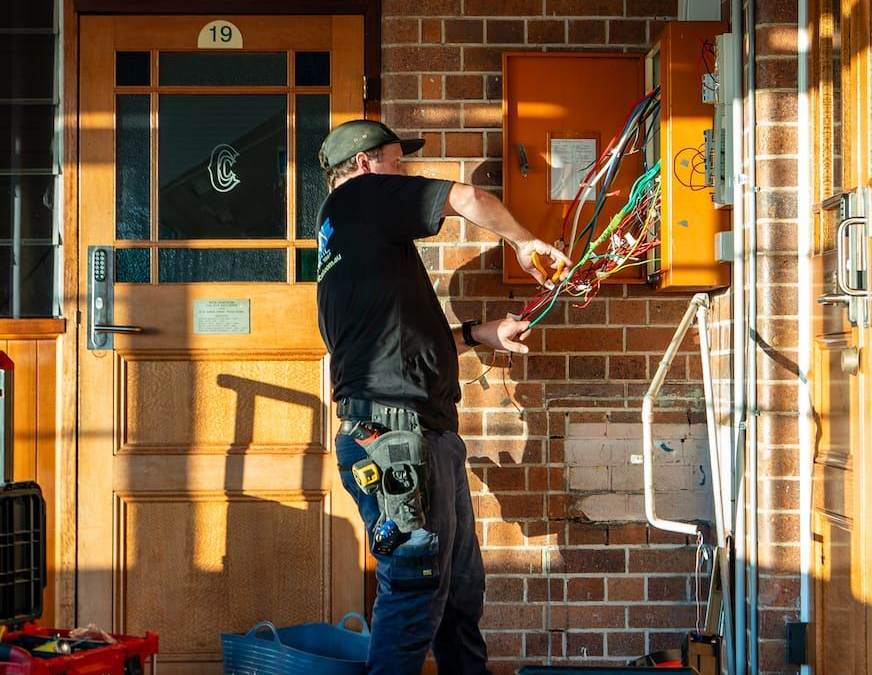
Homes or buildings with high ceilings need extra care when it comes to wiring. Ceiling fan wiring for high ceilings faces more strain over time, simply because of longer cable runs, extra drop rods or mounting brackets, and their position in the roof space.
If those wires were not installed correctly or have started to wear out, fans may slow down, flicker when turned on, or cut out completely. That kind of wiring trouble does not just affect the fan either, it can trigger issues on the whole circuit if not fixed.
When we check ceiling fans in taller areas, we look for:
• Flickering light fittings or power loss
• Fans that take longer to start or keep switching off
• Loose cowls or mount plates that may hide damaged wires
Getting that wiring checked is an easy step that stops small headaches from turning into unexpected faults during daily use. As Gold Master Electricians with more than 25 years of membership, we stay up to date with changes to electrical safety laws and requirements that affect Brisbane homes, so fan wiring checks and repairs are carried out in line with current standards.
Combine Fans with Smarter Lighting and Circuits
Fans do not always sit on their own circuits. In fact, outdoor ceiling fans often share wiring with garden lights, outdoor dining areas, or patio sensor lights. When those systems all click on together, it can overload the wiring without you noticing. That is when circuit breakers trip, lights dim randomly, or fans lose speed.
One way to manage this better in winter is with timer systems, especially in places linked to solar power. Timers can spread out usage so fans and lights do not ramp up power all at once. During the day, lighting systems tied to solar hours can come on while the sun is still feeding power, and step back as the evening rolls in.
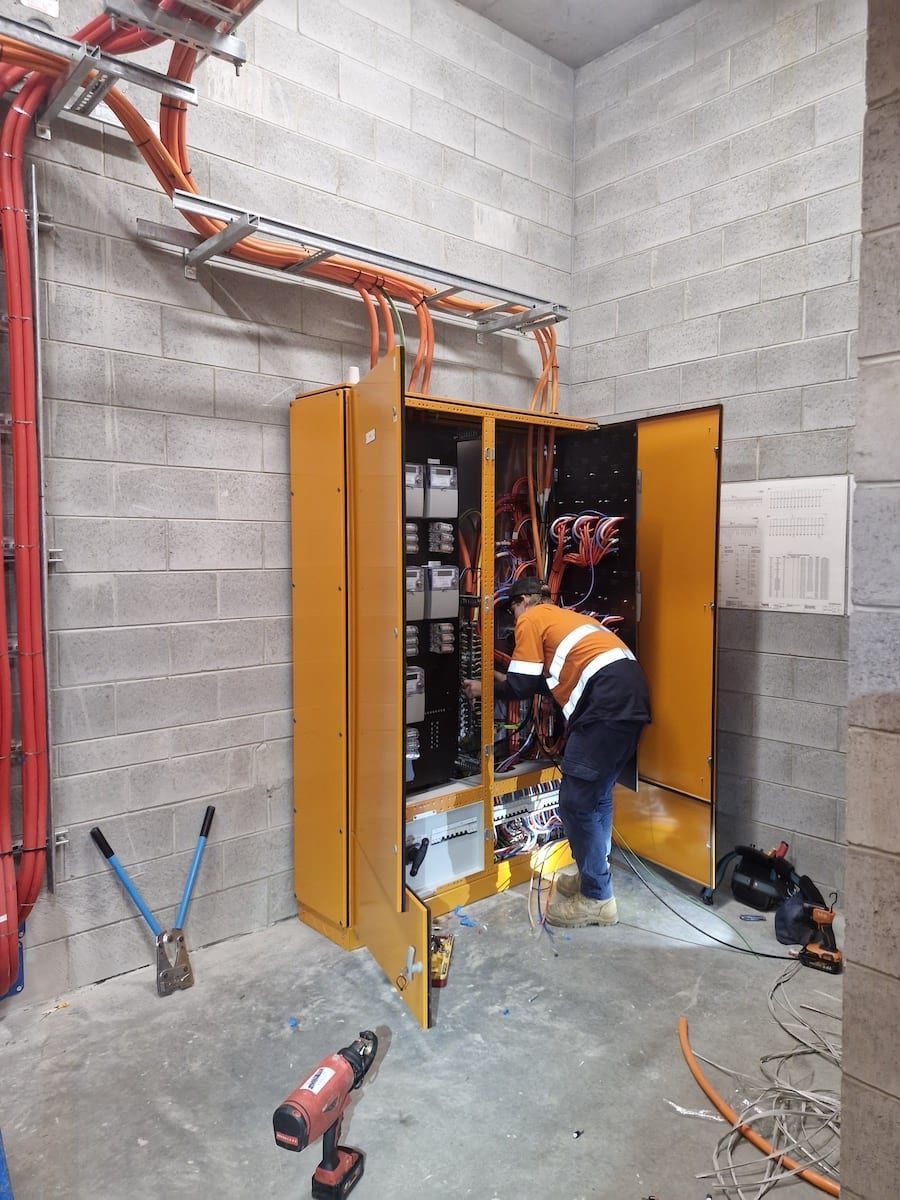
Thermal imaging is also handy here. It can show where switchboards, wires, or junction points are heating up more than they should. That kind of early warning means worn parts get replaced before anything trips or causes a short. Our residential services include ceiling fans, lighting upgrades, landscape lighting, and switchboard inspections and tests, so these checks often fit neatly into a single service visit.
Keep Closing Spaces Comfortable and Safe
Some spaces around the home or workplace do not get regular use in summer but stay important in winter. Sheds, back patios, side paths, carports, and even sports fields tend to get more foot traffic when light drops off early.
Adding ceiling fans in workshop sheds or using them in closed patios can keep pockets of warmth moving without relying only on heaters. But using fans in these spots safely means not overloading shared circuits. When paired with garden or motion-sensor lighting, it pays to have the whole setup looked at a couple of times a year.
Here is how we support steady function through winter:
• Cleaning and testing garden lights that might share fan circuits
• RCD testing to make sure cut-offs work if something goes wrong
• Thermal checks inside switchboards that have outdoor fan lighting or sports field loads
Sports field lighting needs strong and separate wiring to carry the load during evening games or late training. When combined with power drawn by fans in nearby buildings, the strain can cut the whole thing short.
No More Winter Wobbles
Getting your ceiling fans ready for winter does not take much, but it can make all the difference. When fans are clean, spinning in the right direction, and wired safely, they help keep things warmer and more comfortable without adding stress to the system.
Whether they are up in hallways, out back with the patio lights, or hanging from high ceilings, fans work best when their setup suits the season. Just a little attention before the cold settles in can help everything run quieter and last longer. That means fewer power dips, no noisy wobbles, and a home that feels easier to warm each day.
Winter can put extra stress on your ceiling fans and wiring, especially in homes with high ceilings or large outdoor setups. To make sure everything stays efficient and safe, it is worth taking a closer look at your circuits before the season peaks. Heat On Electrical can help you protect your space through a trusted
switchboard compliance upgrade in Brisbane that ensures your setup meets current safety standards. Book in with our team today and enjoy a smoother, warmer winter without the electrical headaches.
You might also like